

Edited by Anna Popper
Some historic changes happen quietly. For Bulgaria, this moment will arrive on 1 January 2026, when the euro becomes the new official currency, in line with the country’s milestone decision. The technical switchover will take place “in a single night”, but the meaning of this night is the outcome of a long national journey – one that blends economic preparation with something less measurable but just as essential: public trust.
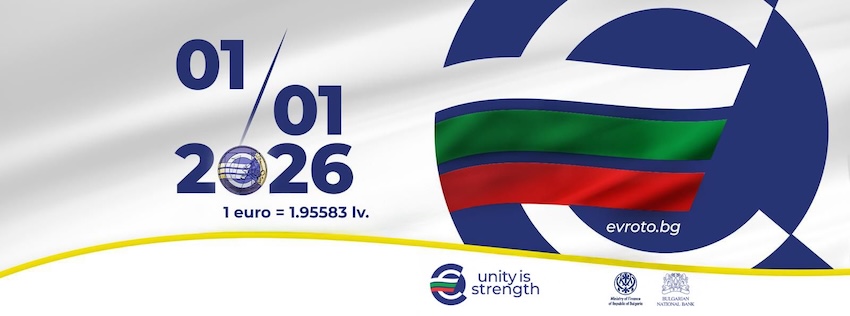
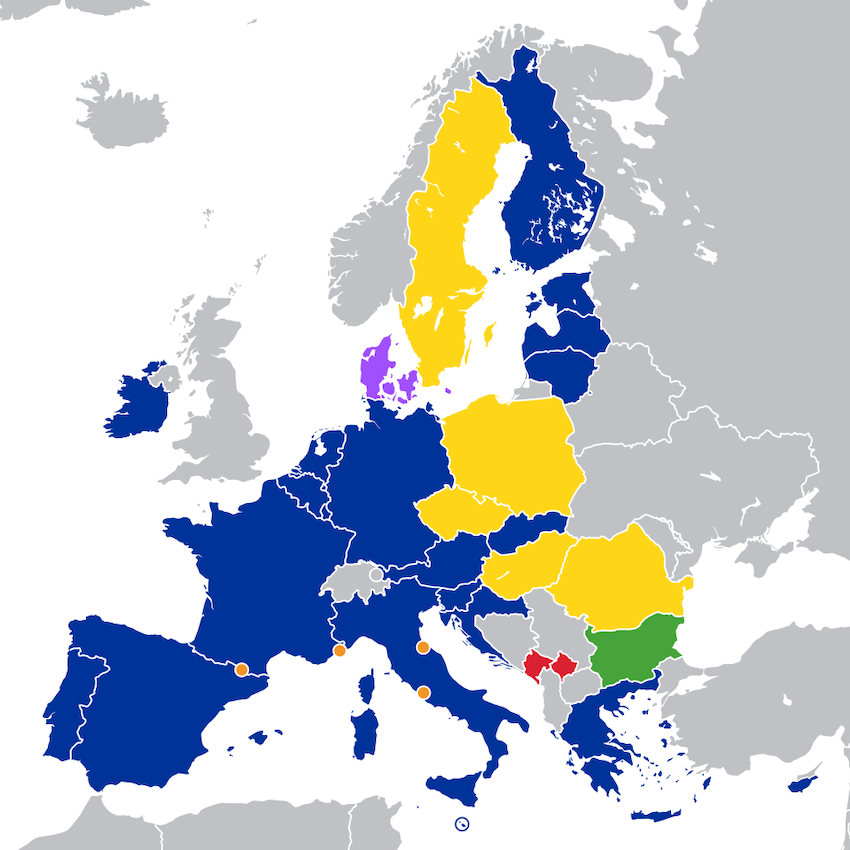
By the summer of 2025, Bulgaria’s euro adoption was no longer a distant prospect. On 8 July 2025, the EU institutions confirmed Bulgaria’s readiness: the Council of the European Union adopted the final legal acts enabling the country to introduce the euro on 1 January 2026, following prior convergence assessments and extensive preparations. With this step, Bulgaria is set to become the 21st member of the Eurozone.
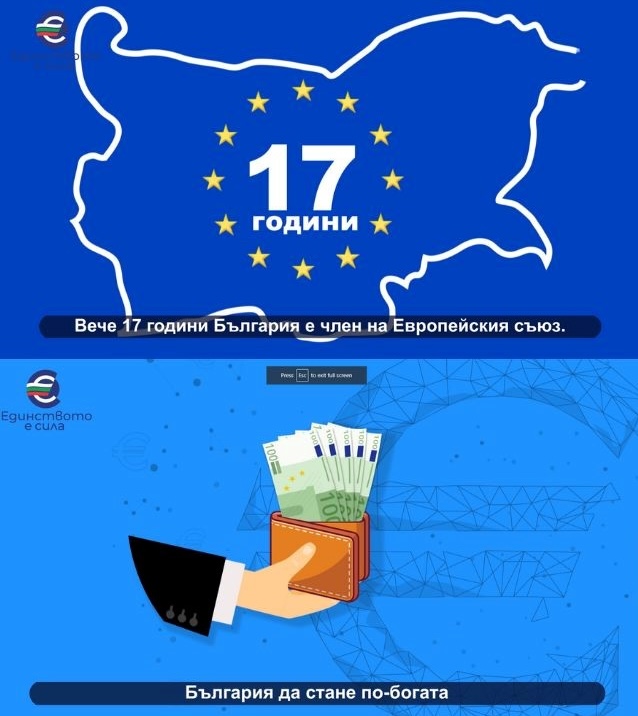
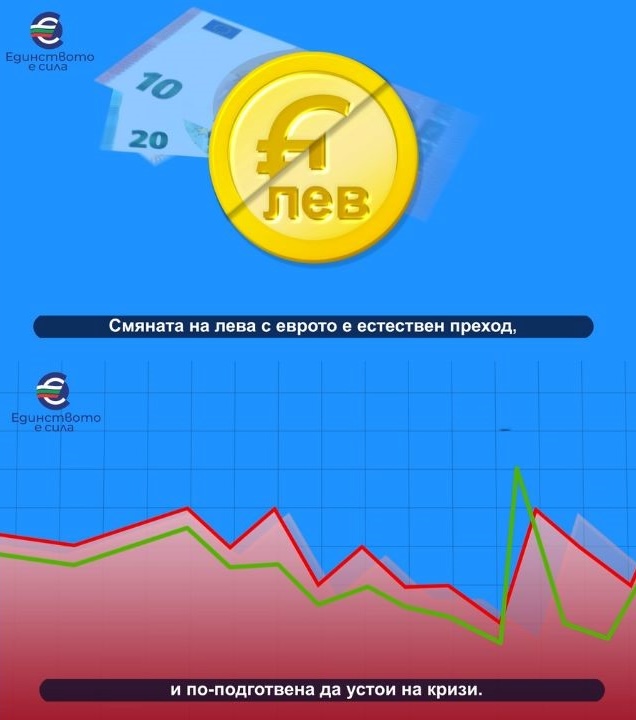
Poster Exhibition as Public Diplomacy
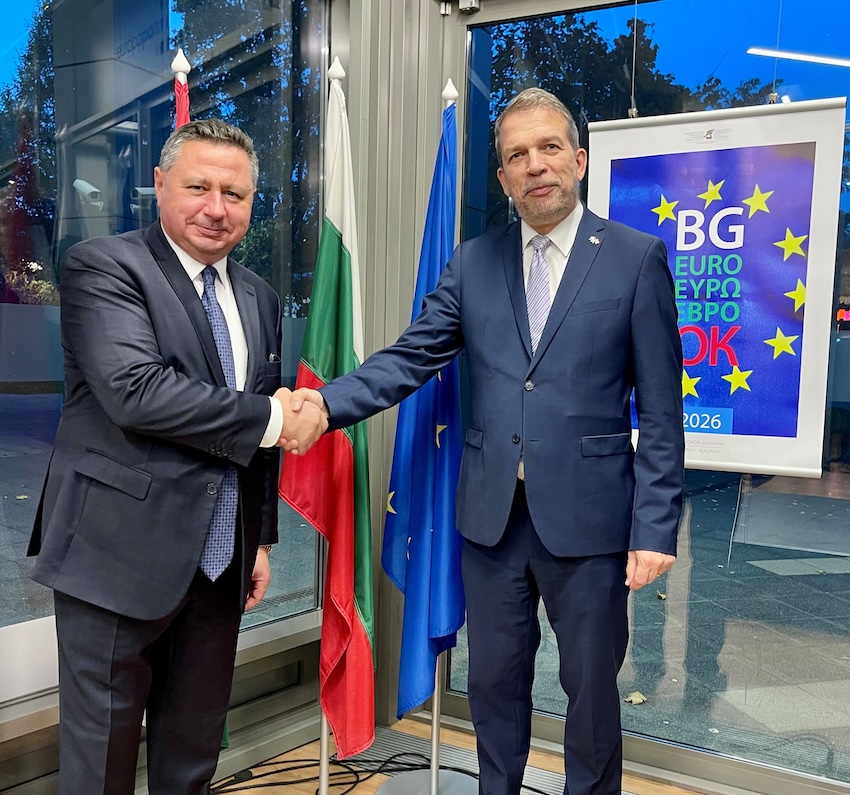
On 29 October 2025, at Európa Pont – the seat of the European Commission Representation in Hungary – the Embassy of the Republic of Bulgaria to Hungary opened a poster exhibition entitled “Bulgaria and the Euro”. The venue and format in Budapest mattered: rather than treating euro adoption as a policy footnote, the exhibition framed it as a public-facing European moment – communicated through design and supported by diplomacy.
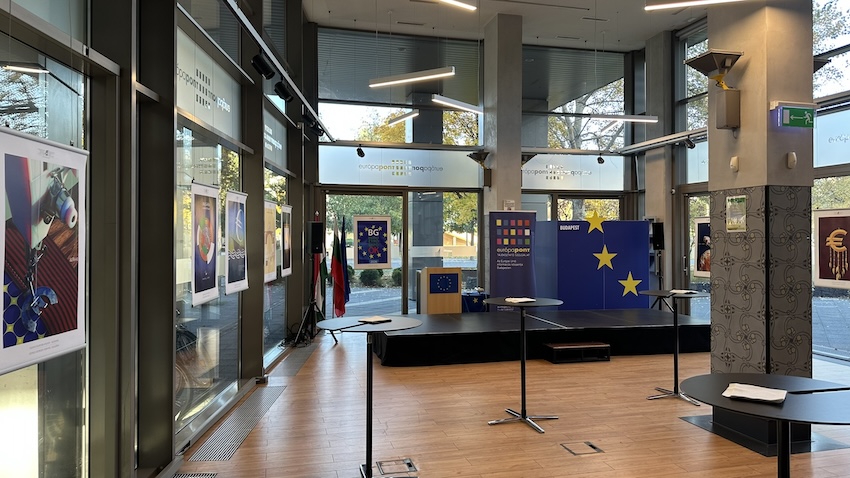
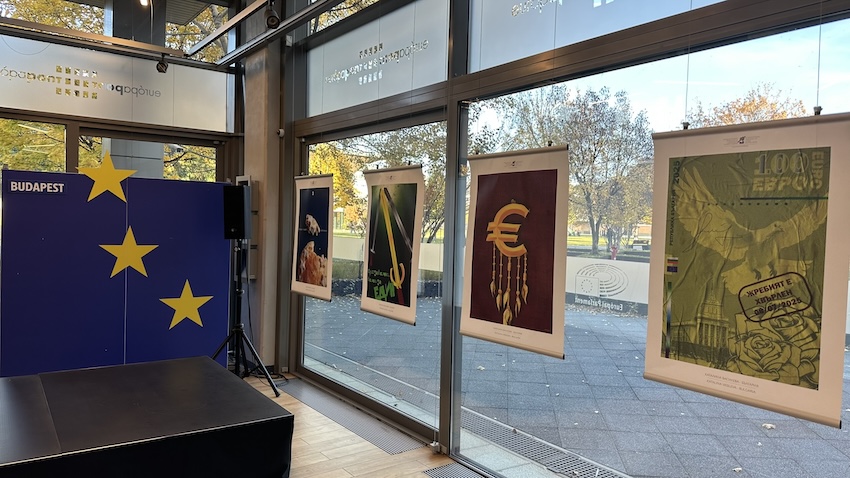
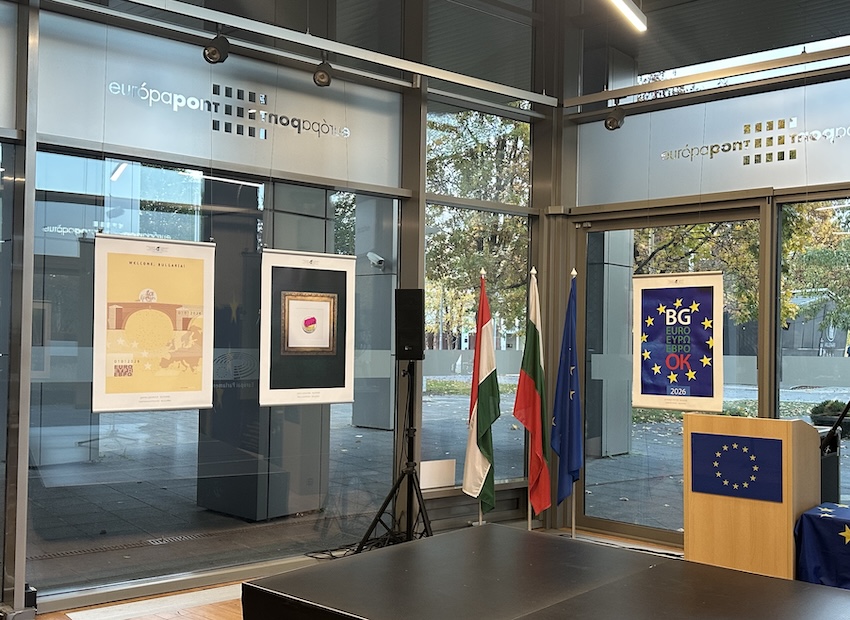
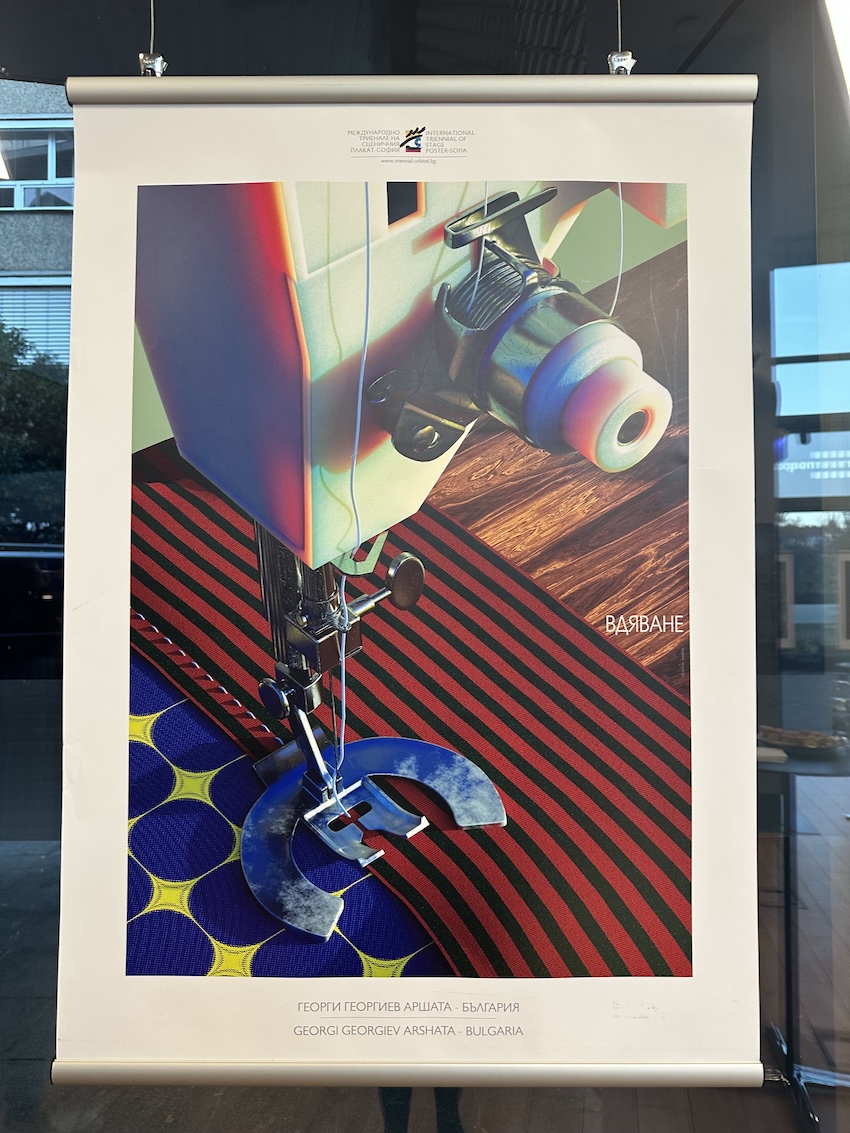
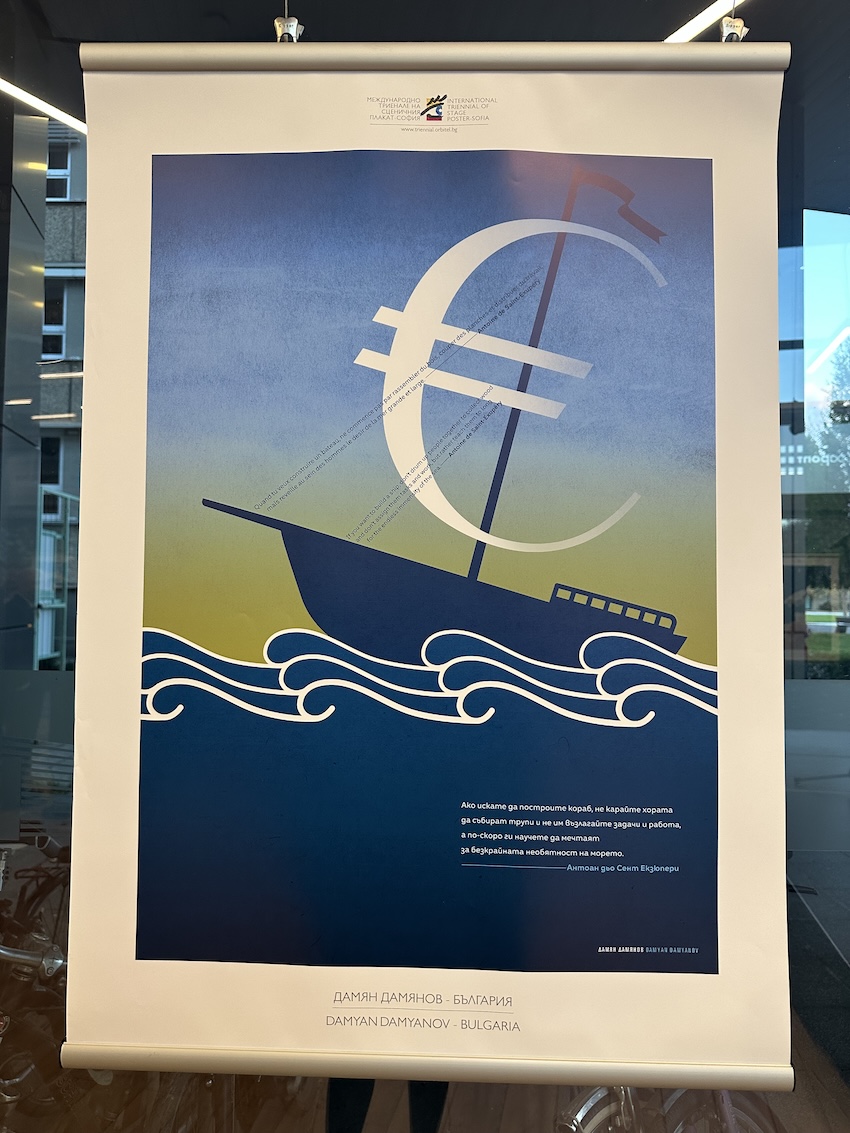
A currency is an instrument, but also a symbol – woven into everyday life. That’s why the exhibition uses a language that speaks beyond technicalities. The thematic posters, provided by the International Triennial of the Stage Poster – Sofia, translate the idea of euro adoption into creativity, tone and symbolism – into humour, pride, and possibility.
Designed to spark conversations not only about money but also about identity, belonging, and how a country communicates change, the posters made a complex transition feel human – visible, graspable, and memorable.
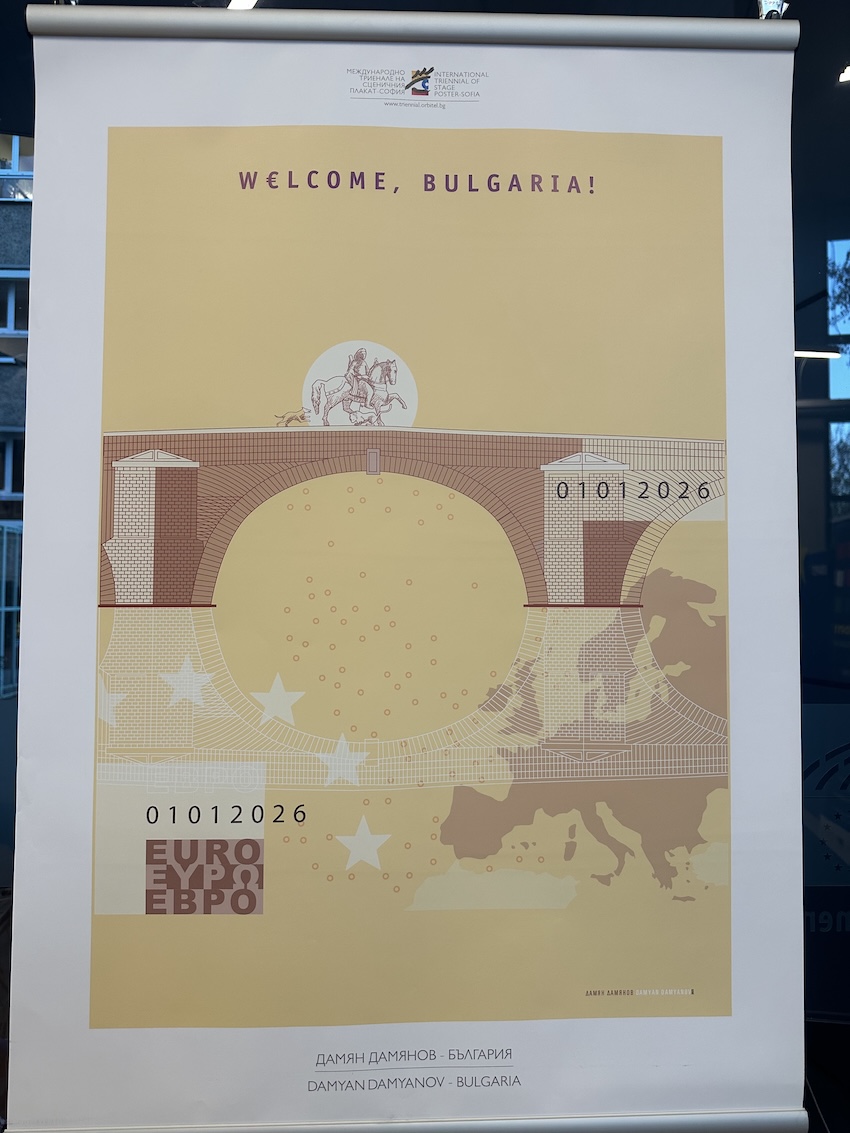
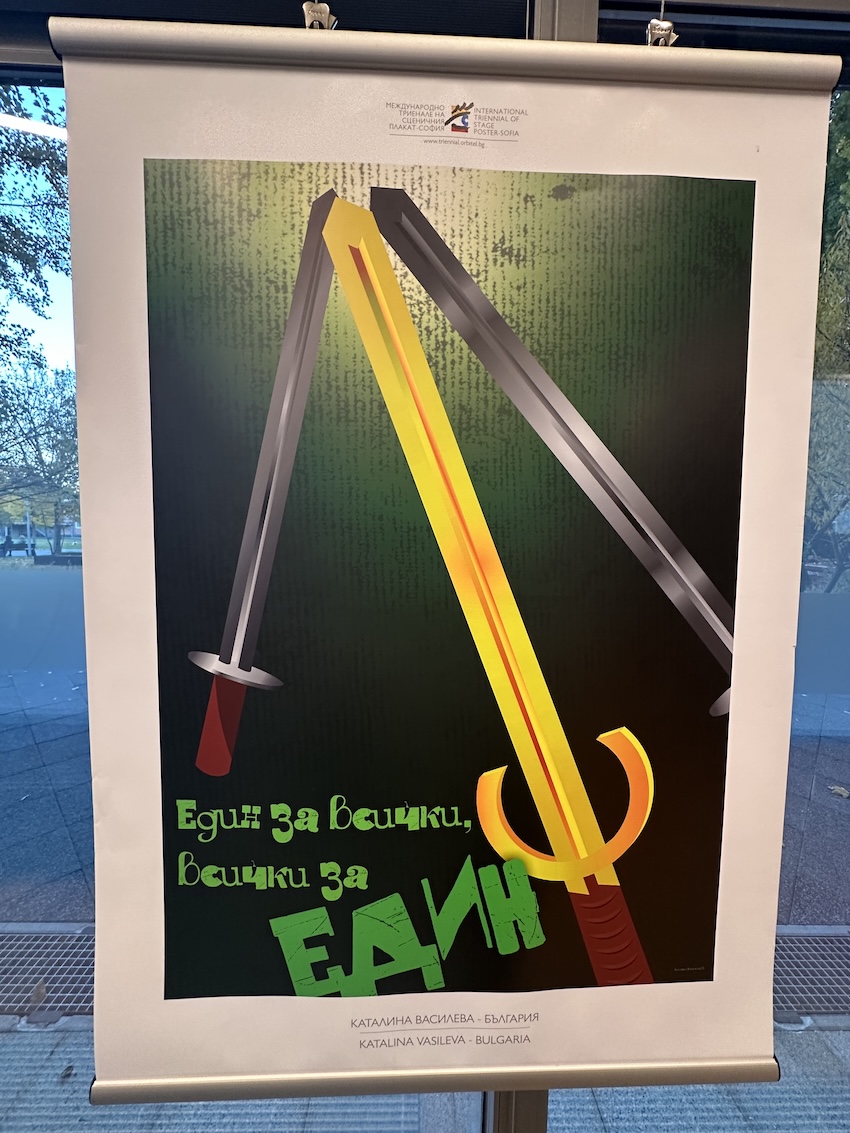
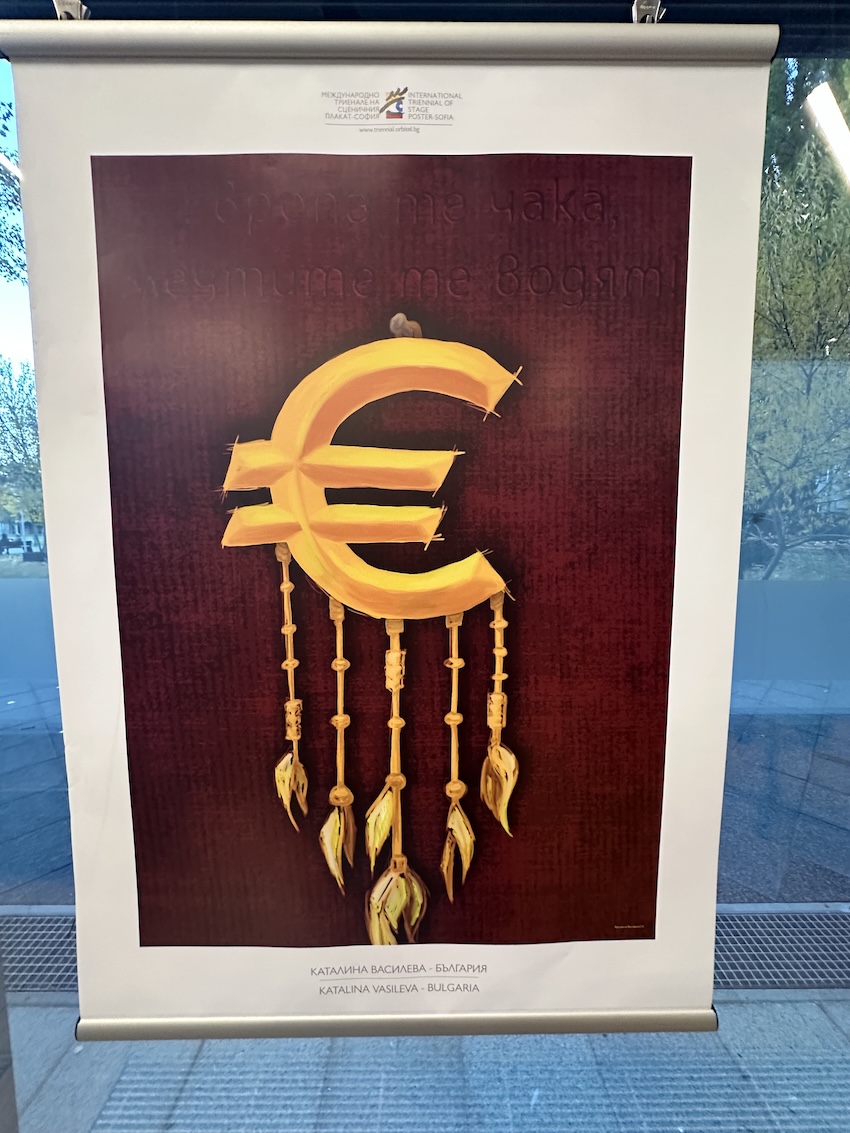
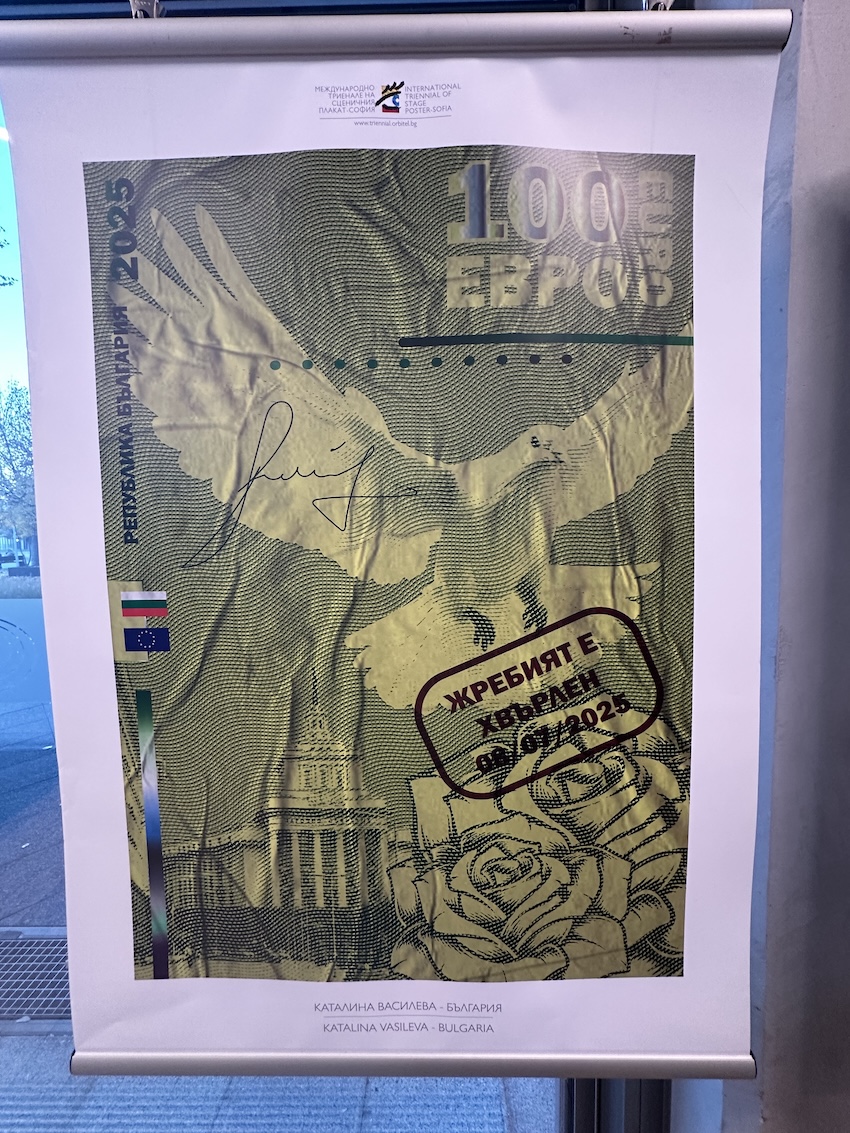
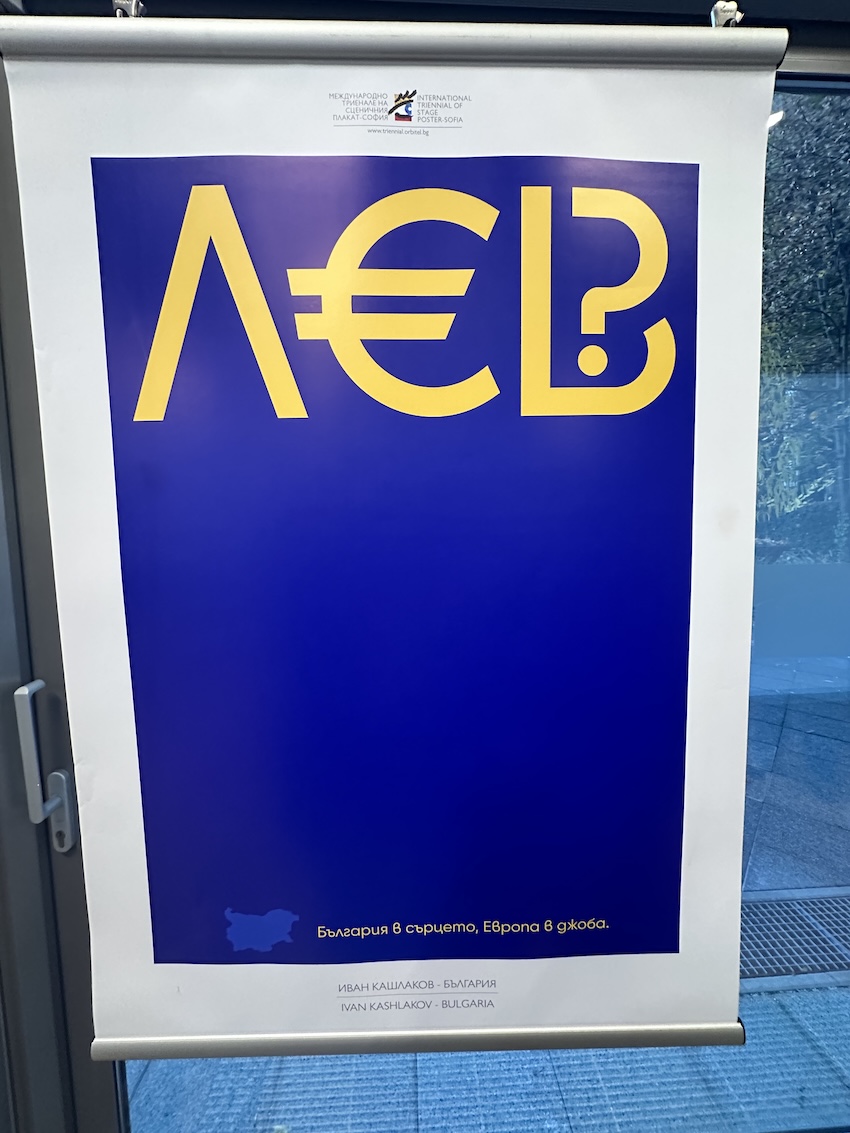
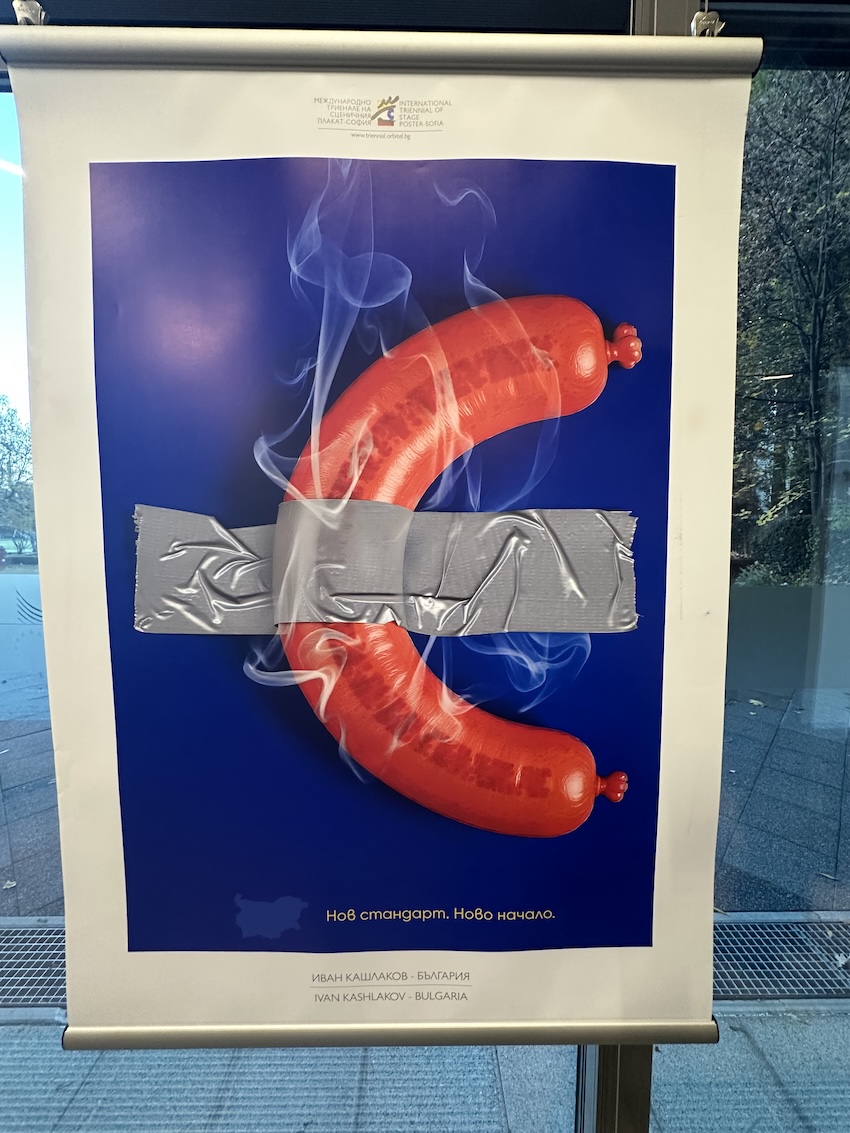
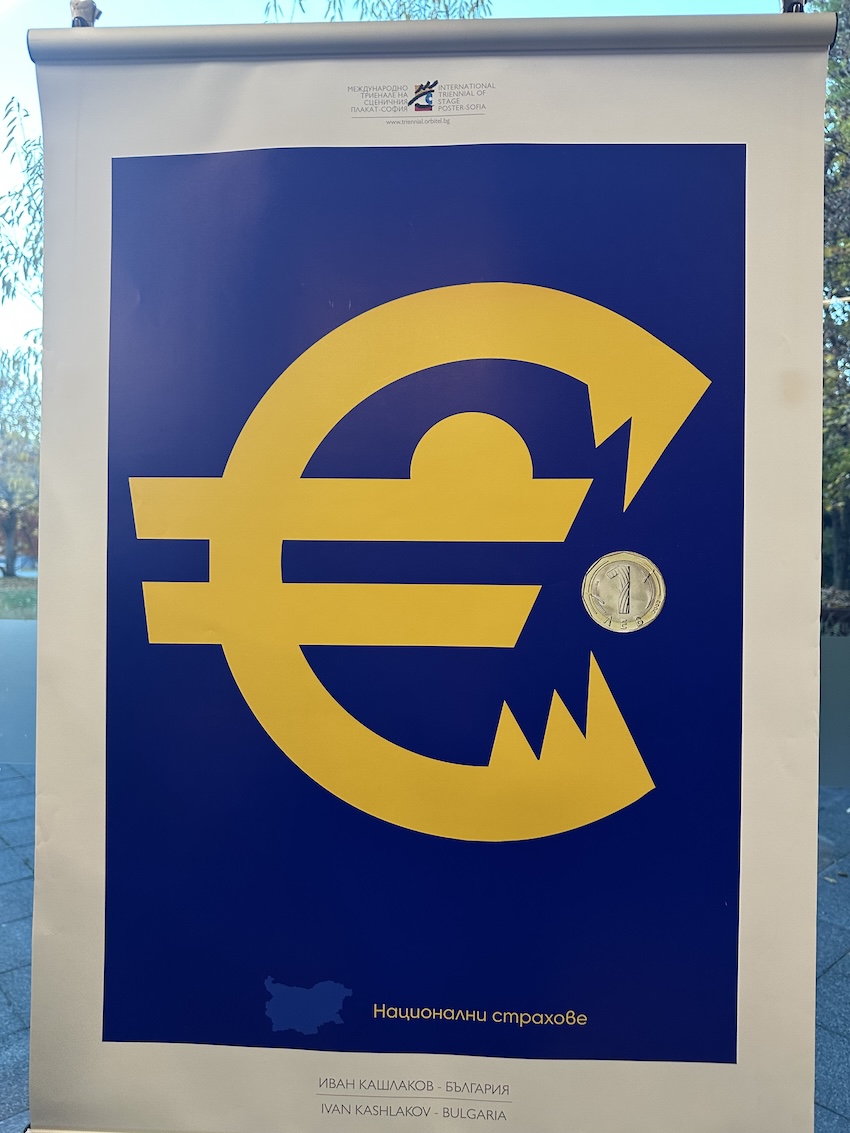
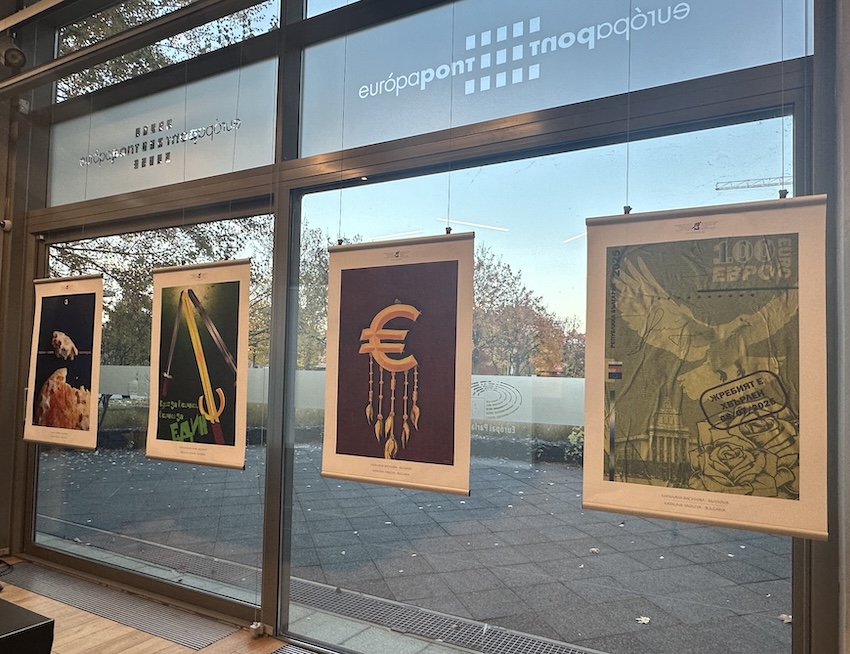
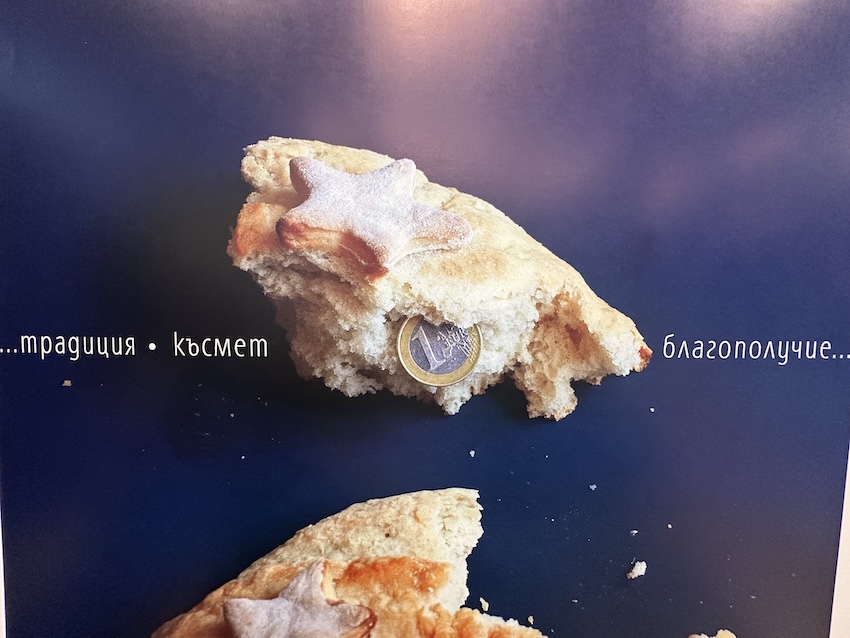
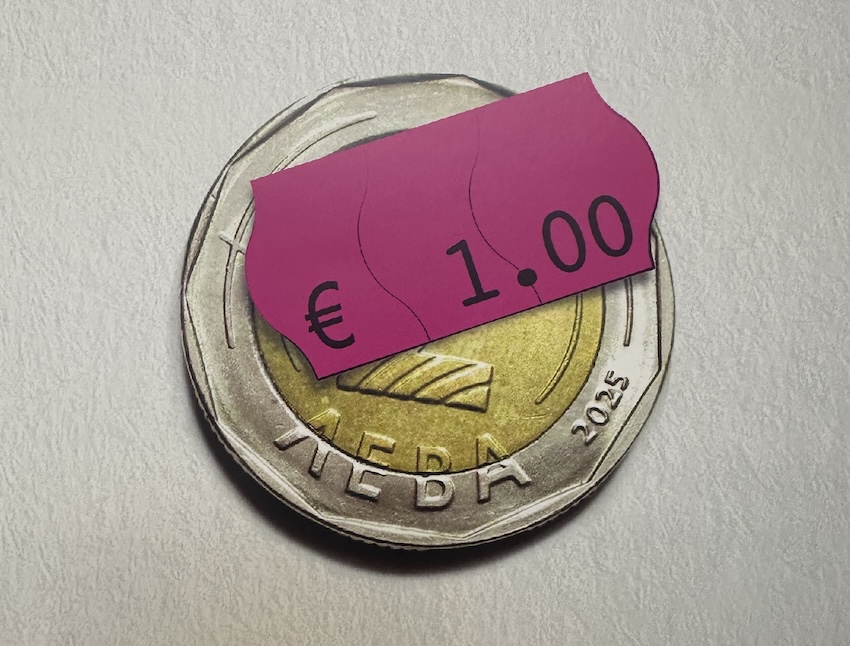
The opening welcomed ambassadors accredited to Hungary, representatives of Hungarian institutions, public figures, and members of the academic, cultural, and media communities. In this setting – where diplomacy meets public dialogue – Bulgaria’s euro adoption was framed as a shared European story and as part of the European project.


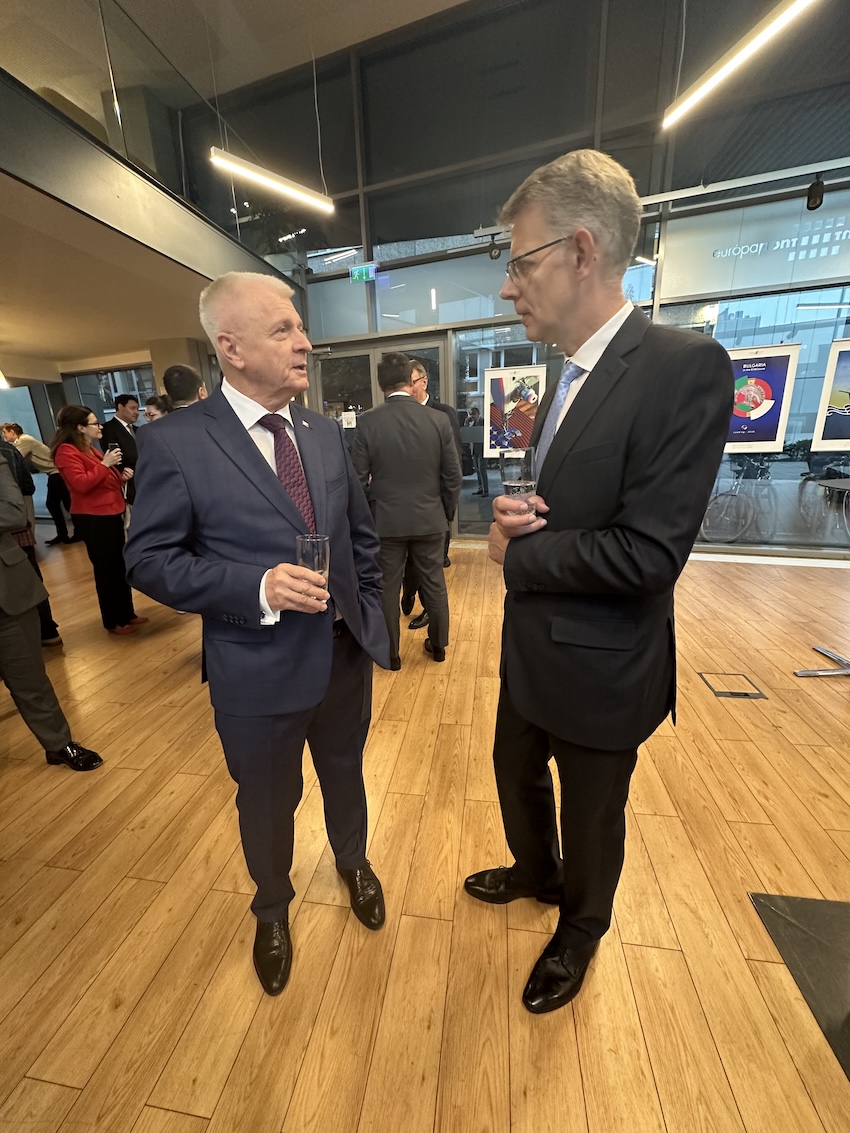
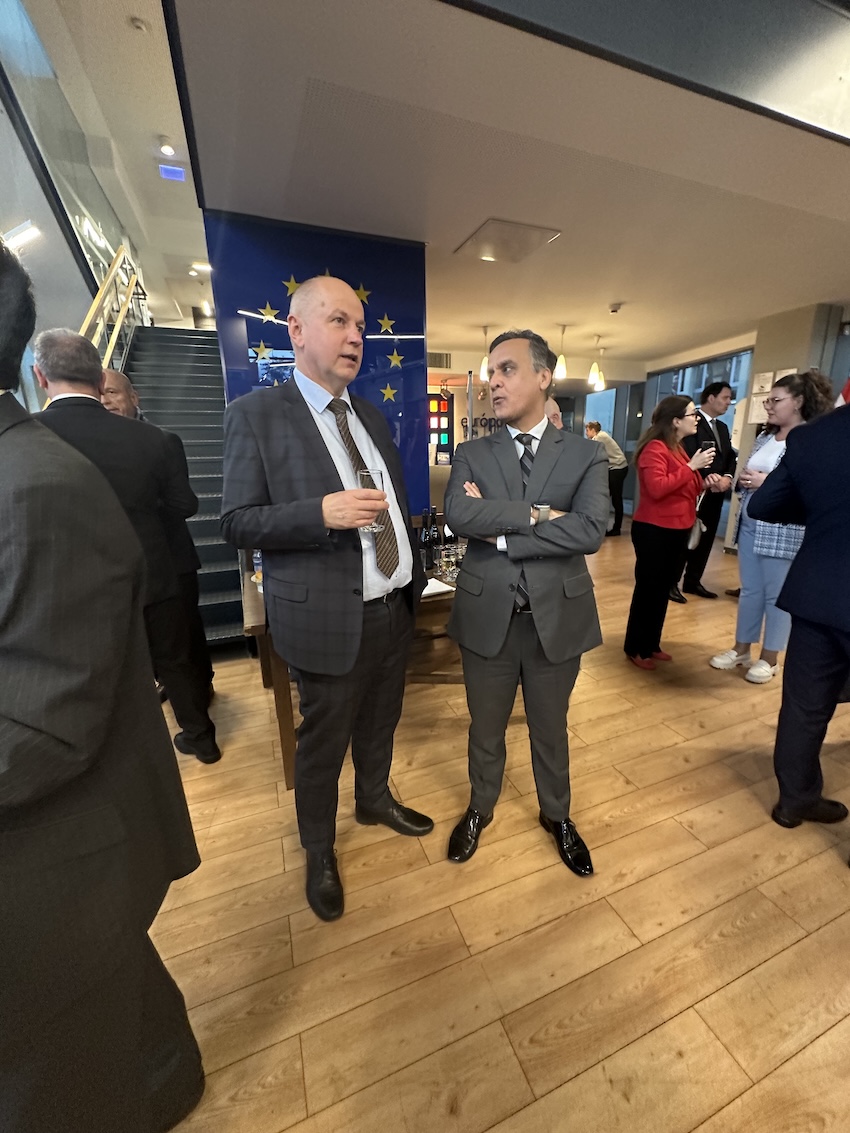
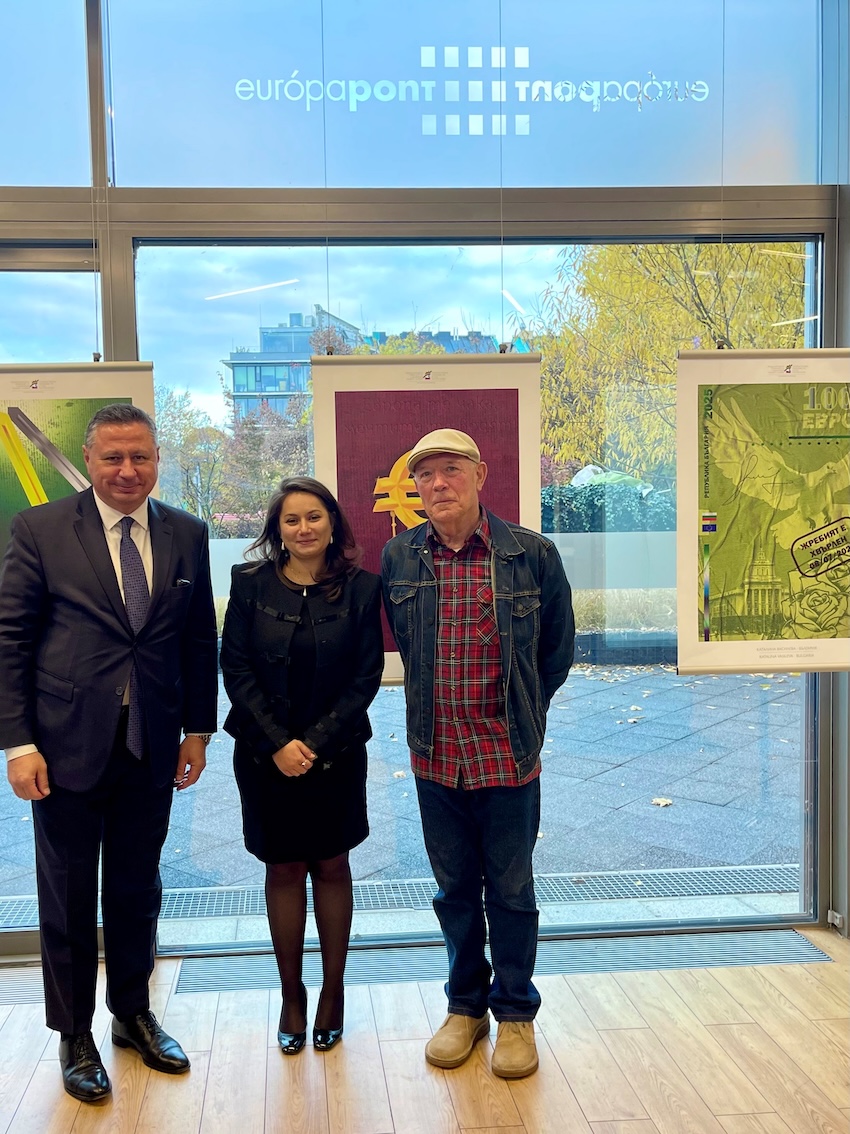

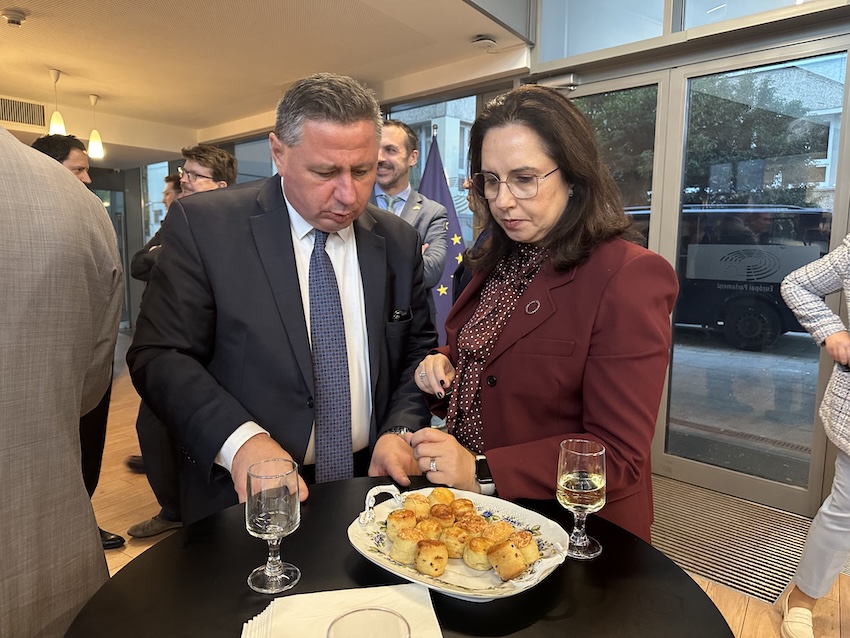
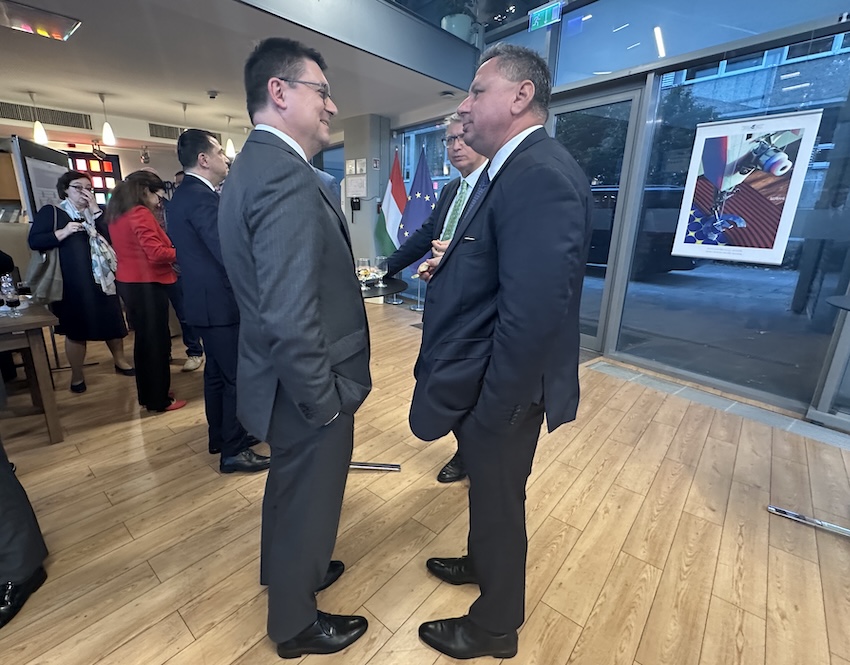
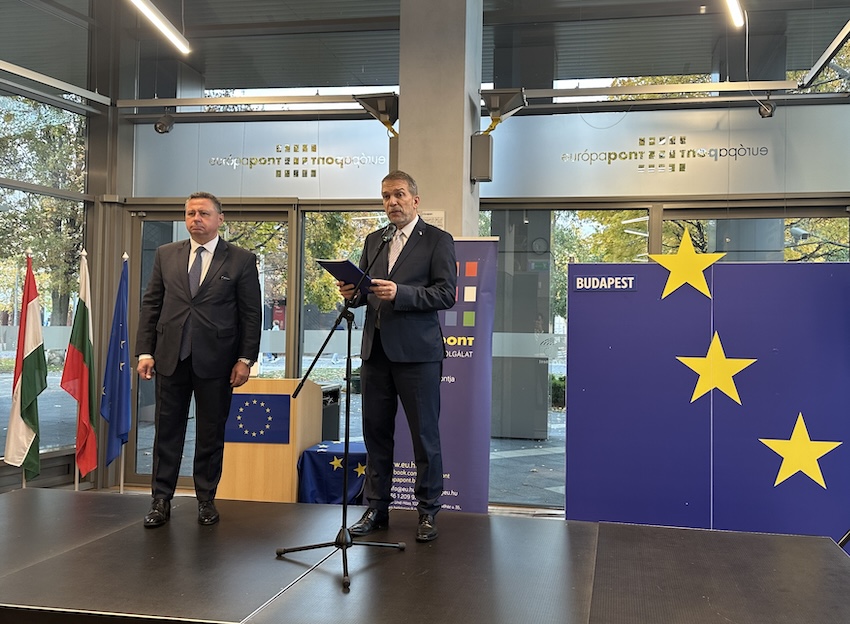
The event was welcomed by H.E. Mr. Gábor Zupkó, Head of the European Commission Representation in Hungary. In his remarks, he noted that the adoption of the euro marks the culmination of a thorough accession process based on rigorous analysis and intensive preparation – making Bulgaria the 21st member of the eurozone. He highlighted the key benefits of the euro for individuals, businesses, and economies, including: easier cross-country price comparisons that boost competition; increased price and economic stability; simpler, cheaper, and safer trade within the eurozone and with global partners; and more efficient financial markets. He warmly congratulated Bulgaria and the Bulgarian people on this achievement and added that the Representation was proud to host an exhibition marking such an important milestone – one linked to prosperity, stability, and security.

The exhibition was opened by H.E. Mr. Christo Polendakov, Ambassador of the Republic of Bulgaria to Hungary, who shared insights into Bulgaria’s euro adoption as a historic decision.
He underlined that joining the eurozone reaffirms Bulgaria’s European path – taken as a country that has been an EU member since 2007 and a full member state of the Schengen Area since 1 January 2025 – and that the introduction of the common European currency opens a new chapter in Bulgaria’s modern history.
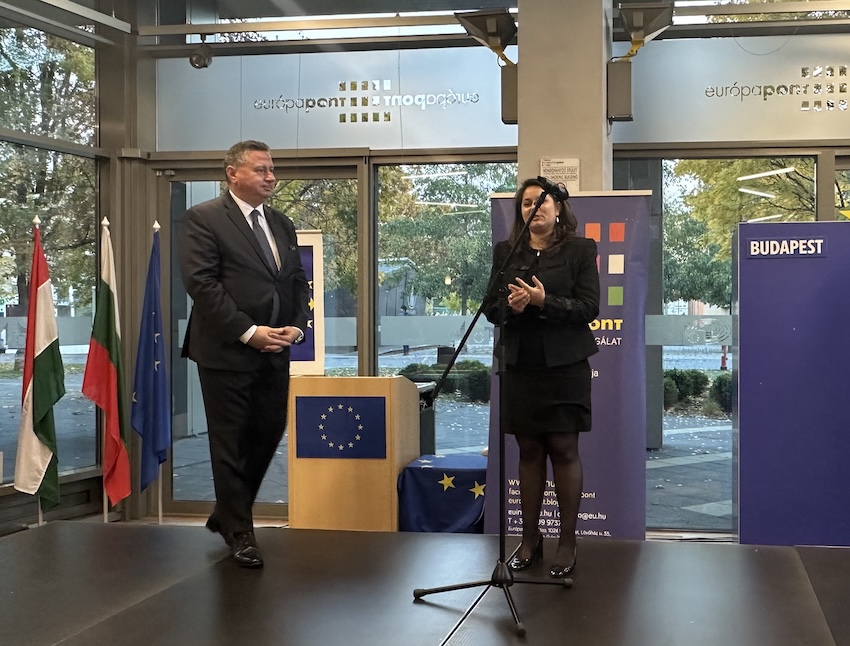
A key bridge between the artistic and institutional dimensions of the exhibition was provided by Ms. Katalina Vasileva, senior expert at the State Institute for Culture at Bulgaria’s Ministry of Foreign Affairs and author of several posters.
Her contribution reinforced a central idea: posters are not mere decoration, but rather an instrument of public diplomacy – able to distil policy into symbols and turn institutional change into something the public can recognize and feel. In that sense, the euro was not presented as a replacement of identity, but as a context in which identity – visibly and intentionally – continues to exist.
The exhibition also sought broader outreach by promoting Bulgaria’s eurozone accession to the Hungarian public. Some posters were displayed on the fence of the Bulgarian Embassy in Budapest, thus extending the message into everyday urban life.


The program reached beyond culture into education as well. The opening was preceded by a lecture from Ambassador Polendakov at Corvinus University of Budapest, signalling that euro adoption is also a societal conversation – especially relevant for the next generation of European students and professionals.

Where Heritage Meets the Euro: The Story Behind the Symbol

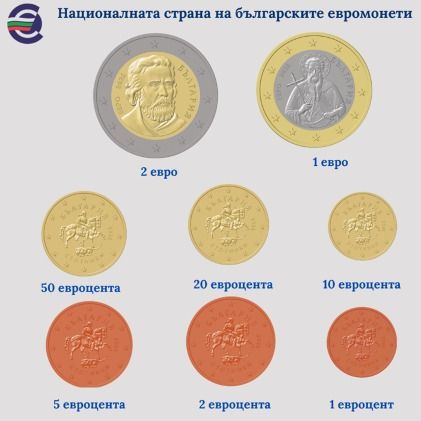
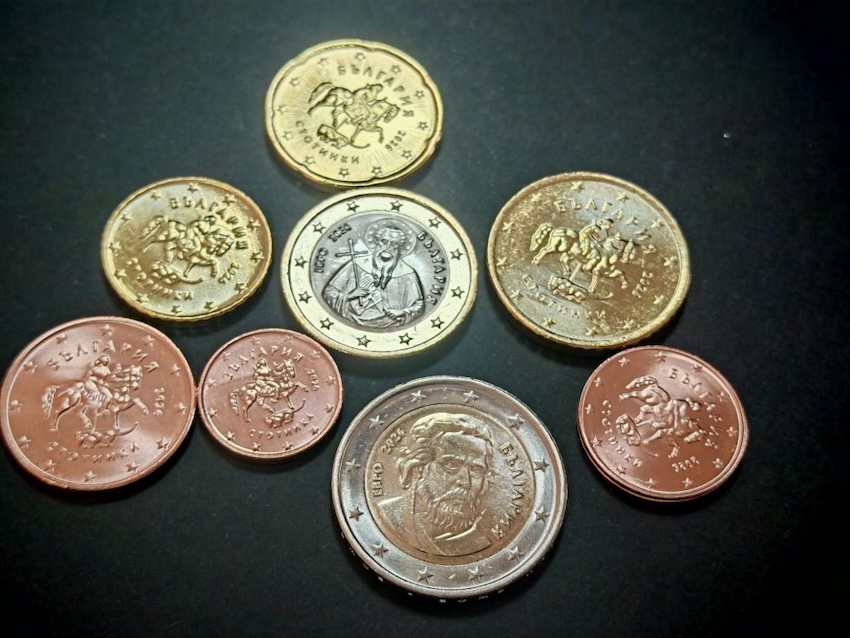
A symbolic detail added further warmth to the story: the Bulgarian 1 euro coin is dedicated to St. Ivan of Rila, a beloved patron saint of Bulgaria and a figure also associated with Bulgarian–Hungarian friendship.
This connection is honoured each year on 19 October, the feast day of St. Ivan of Rila in the Bulgarian Orthodox calendar.
This same day is also celebrated as Bulgarian–Hungarian Friendship Day, officially declared in 2016 by the parliaments of both countries.
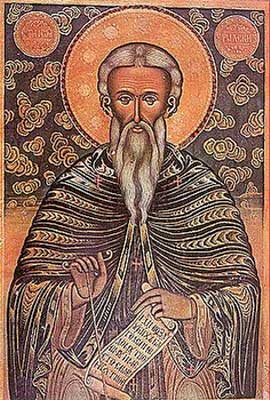
The decision is tied to historical memory: in 1183, the Hungarian King Béla III transferred the saint’s relics to the church in Esztergom and, some years later – realising this had been a mistake – returned them to Bulgaria. This episode is remembered today as a symbolic link of respect and shared history. Bulgaria joins the Eurozone with this heritage, and Bulgaria’s European future is also a story of friendship with its neighbours.
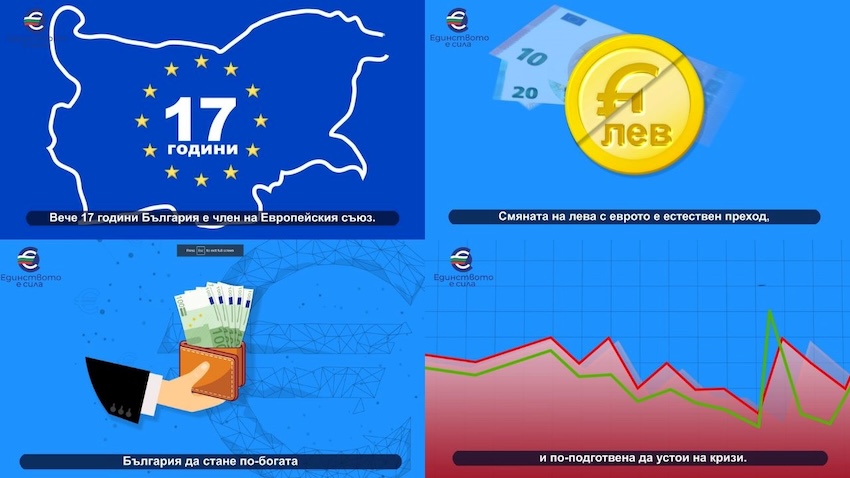
The poster exhibition conveyed a clear message: the euro is more than just a new means of payment for Bulgaria from 1 January 2026. It is a tool for resilience, cooperation and growth, and a step aligned with Bulgaria’s long-term European choices – carried forward with confidence, culture, and unity.
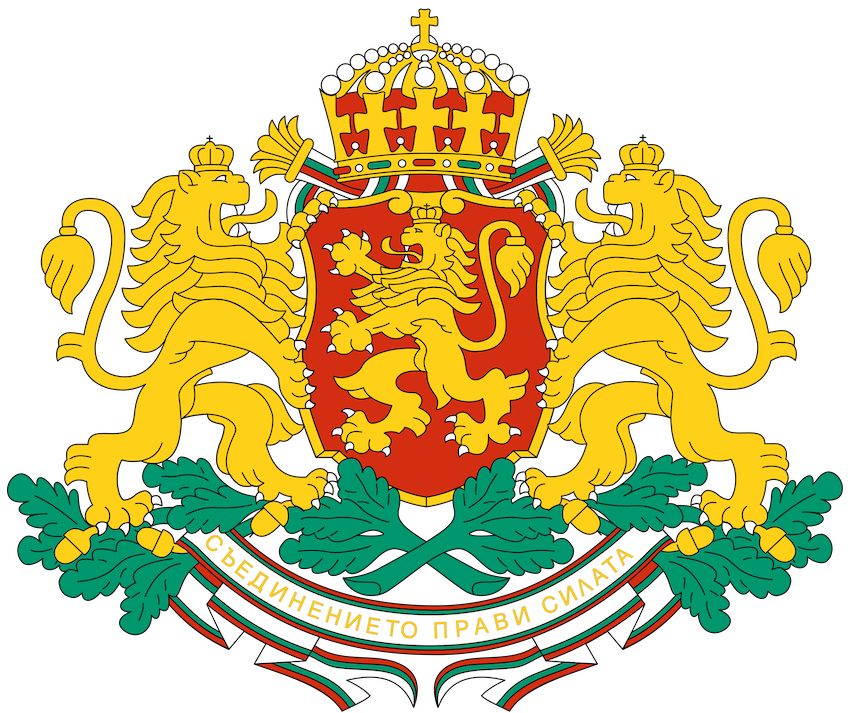
The national motto, “Unity is Strength”, which is also featured on the country’s coat of arms, reflects this spirit of cohesion and purpose.
The Bulgarian euro coin series includes important national symbols, figures and sites from the country’s history and cultural heritage. The 50, 20, 10, 5 and 2 cent coins bear the image of the Madara Rider – an 8th-century rock relief that is listed as a UNESCO World Heritage Site.
As former German Chancellor Helmut Kohl once observed: “Nations with a common currency never went to war against each other. A common currency is more than the money you pay with,” underscoring the euro’s meaning – launched on 1 January 1999 – not only as an economic instrument, but also as a long-term commitment to shared stability.
Source: Embassy of the Republic of Bulgaria in Budapest
Photos from the Embassy of the Republic of Bulgaria in Budapest, and Diplomatic Press Agency