

“A New Chapter in the History of Egypt” – President El-Sisi
Edited by Anna Popper

1st November 2025 marks a milestone day in global cultural history – a moment that captured the world’s attention. On this day, Egypt officially inaugurated the Grand Egyptian Museum (GEM), the largest archaeological complex ever dedicated to a single civilisation.
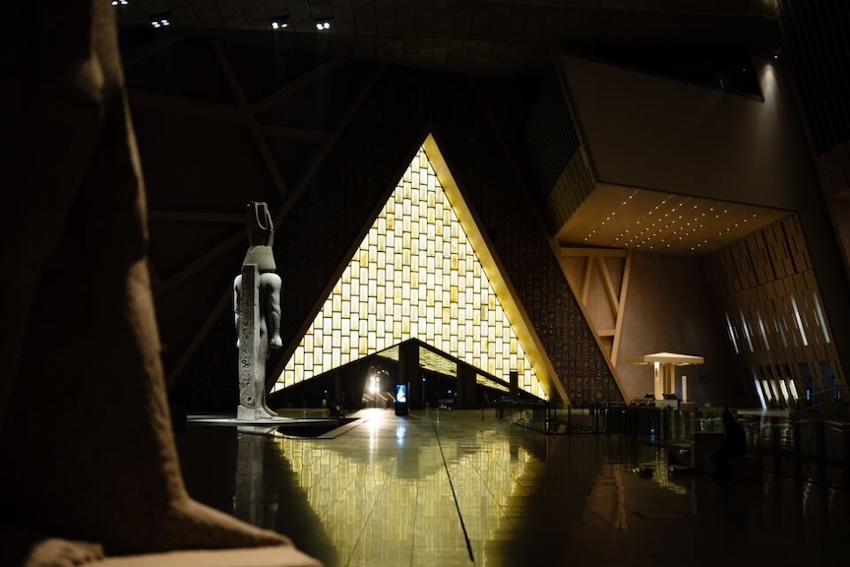
Rising near the Great Pyramid of Giza, one of the Seven Wonders of the Ancient World, this monumental achievement reflects Egypt’s grandeur, its unique legacy and modern aspirations, opening a new chapter in humanity’s relationship with its ancient past.

Inauguration Ceremony – A Celebration of Egyptian Identity
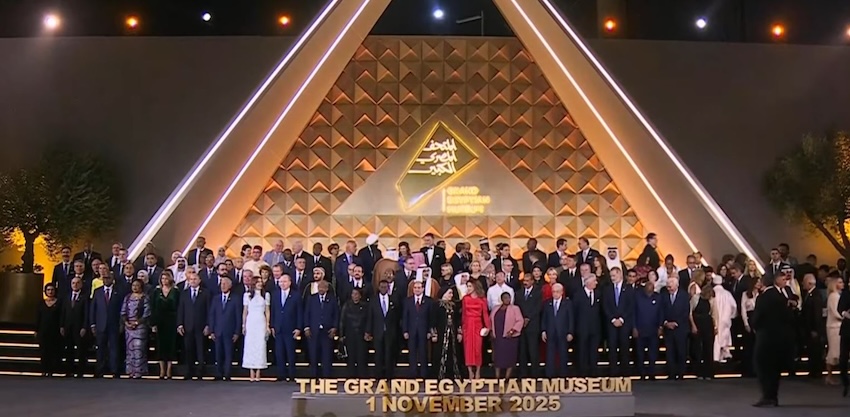
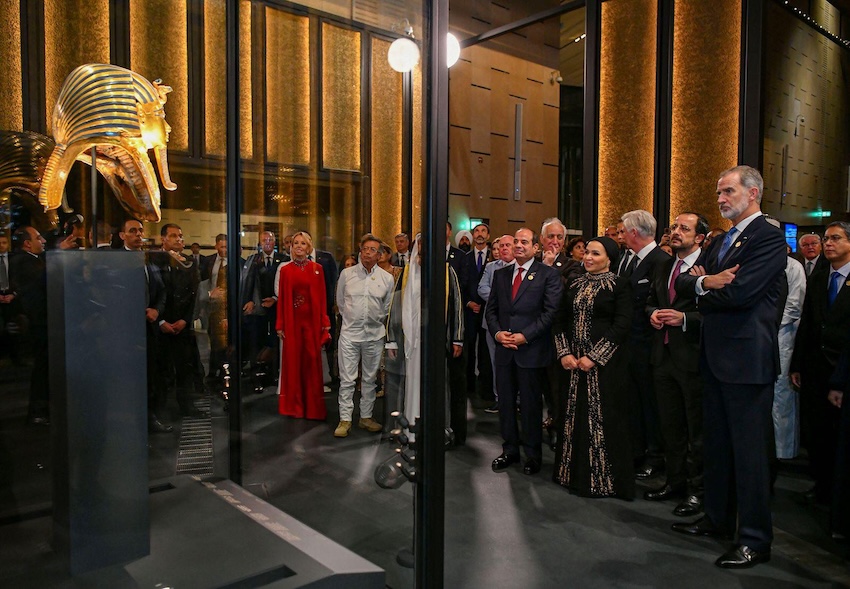
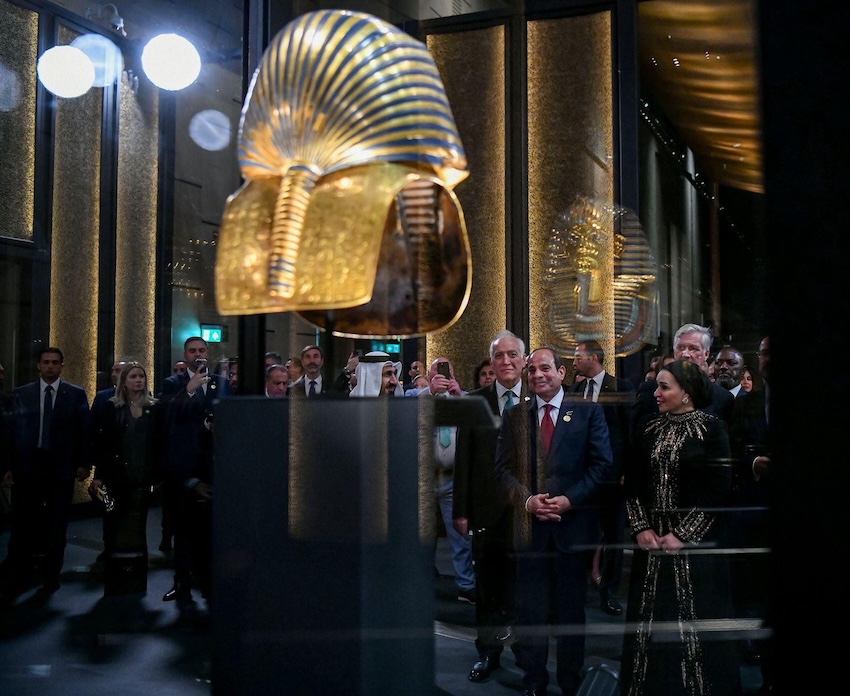
The official opening of the new museum, ceremonially led by President Abdel Fattah El-Sisi, accompanied by First Lady Entissar El-Sisi, drew extraordinary international participation with delegations from 79 countries, high-ranking officials, major international organisations and 39 royal envoys, including kings, queens, and princes. Among the distinguished guests were Hungary’s Prime Minister Viktor Orbán and his spouse at this historic event.
Presidential spokesman Amb. Mohamed el-Shinawi, former Egyptian Ambassador to Hungary, emphasised that the global presence affirmed Egypt’s international partnerships and diplomatic stature.

In his address, President Sisi welcomed the esteemed guests to the land of Egypt, the oldest state known in history, where the world witnessed the birth of art, thought, writing, and faith. Celebrating the opening of the GEM together, Egypt is writing a new chapter in the history of the present and the future of this ancient nation. He emphasised that the museum not only preserves precious antiquities, but is also a living testimony to the genius of the Egyptian people who built the pyramids and inscribed the stories of eternity on the walls. The GEM is a result of global partnership and a tribute to human civilisation. He also expressed particular gratitude to Japan for its generous financial and technical support of this giant civilizational project. President Sisi concluded: “I invite you to make this museum a platform for dialogue, a destination for knowledge, a meeting point for humanity, and a beacon for everyone who loves life and believes in the value of humankind. Long Live Egypt! Long Live Humanity!”
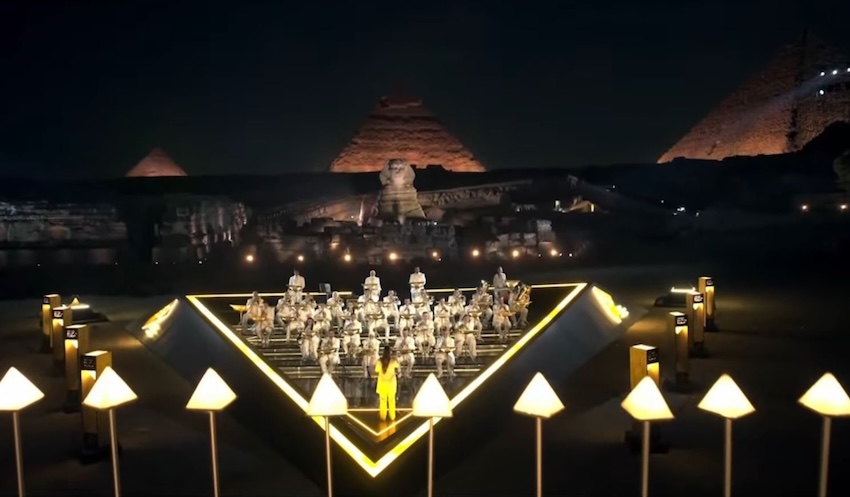
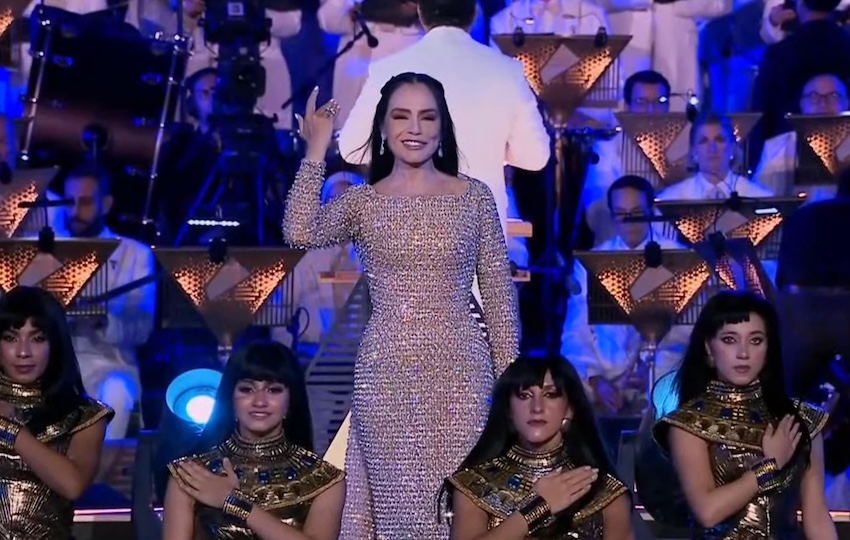
The ceremony featured a spectacular program that blended ancient symbolism with modern artistic performance. Dancers in Pharaonic costumes performed against the majestic backdrop of the pyramids.

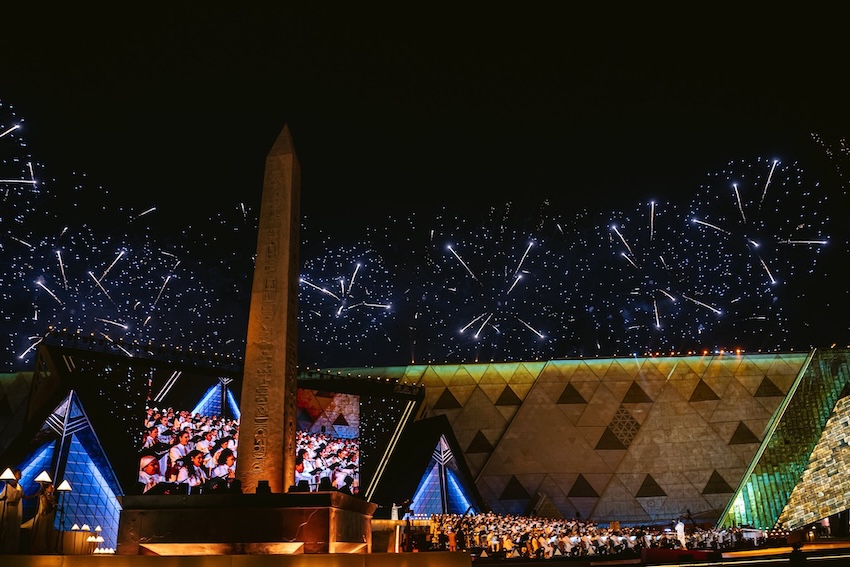

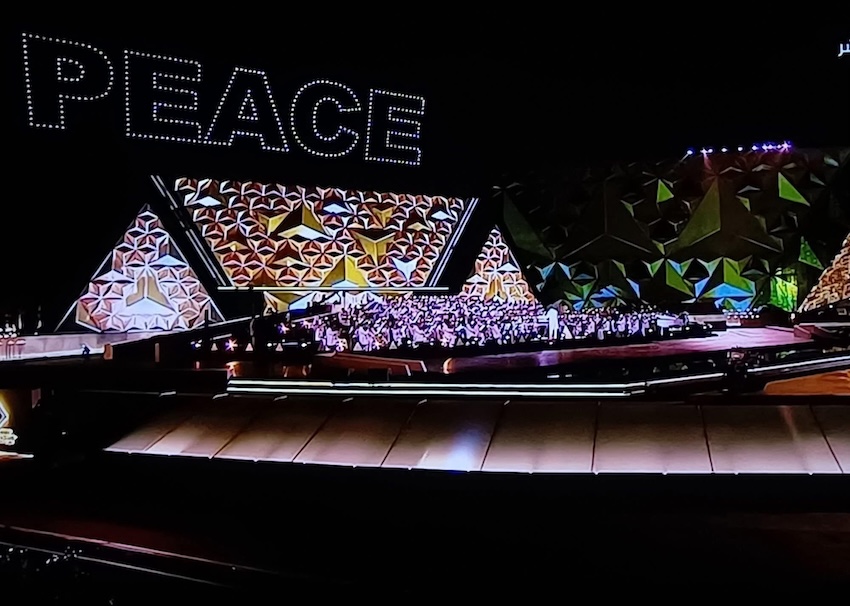


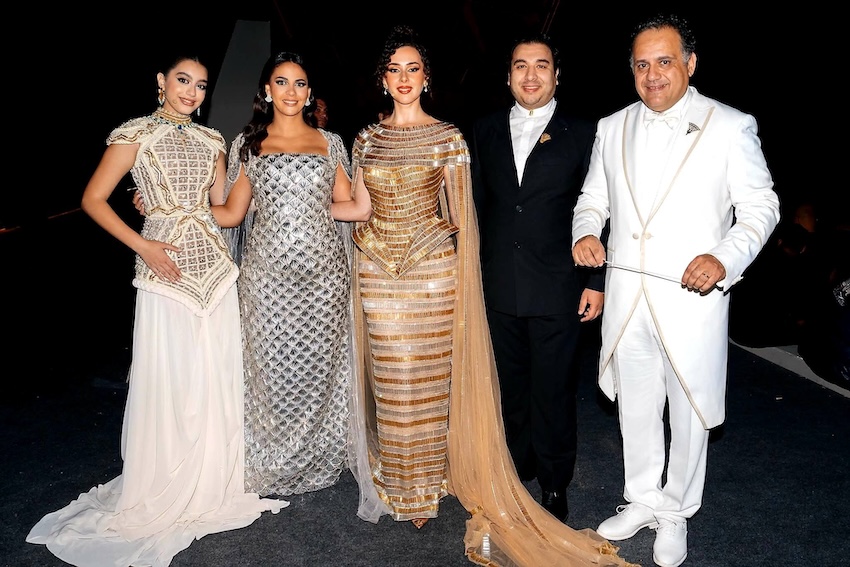
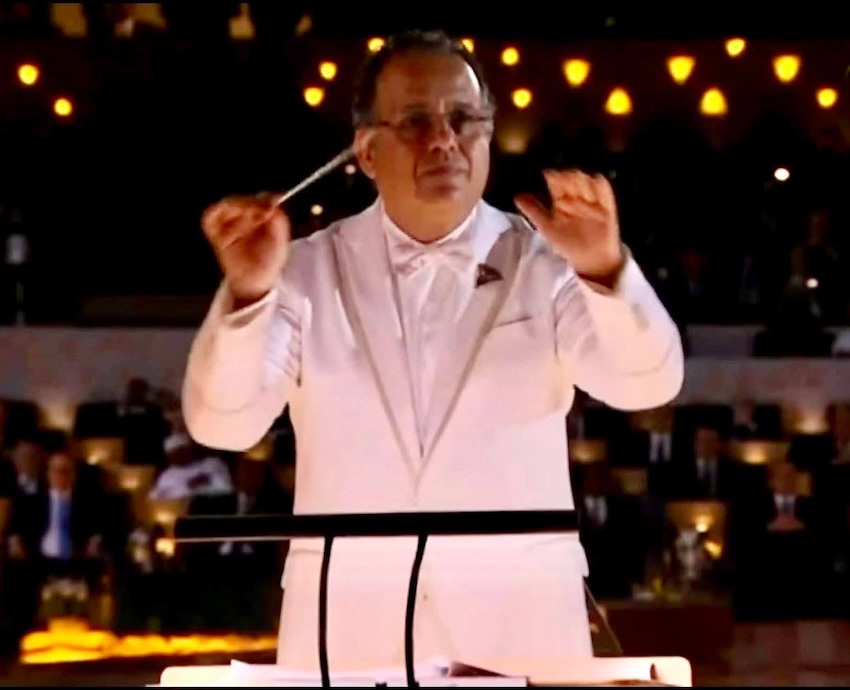
The musical segment of the opening ceremony was conducted by Egyptian Maestro Nair Naji, who led an international orchestra of 120 musicians, accompanying Egyptian superstar Sherihan.
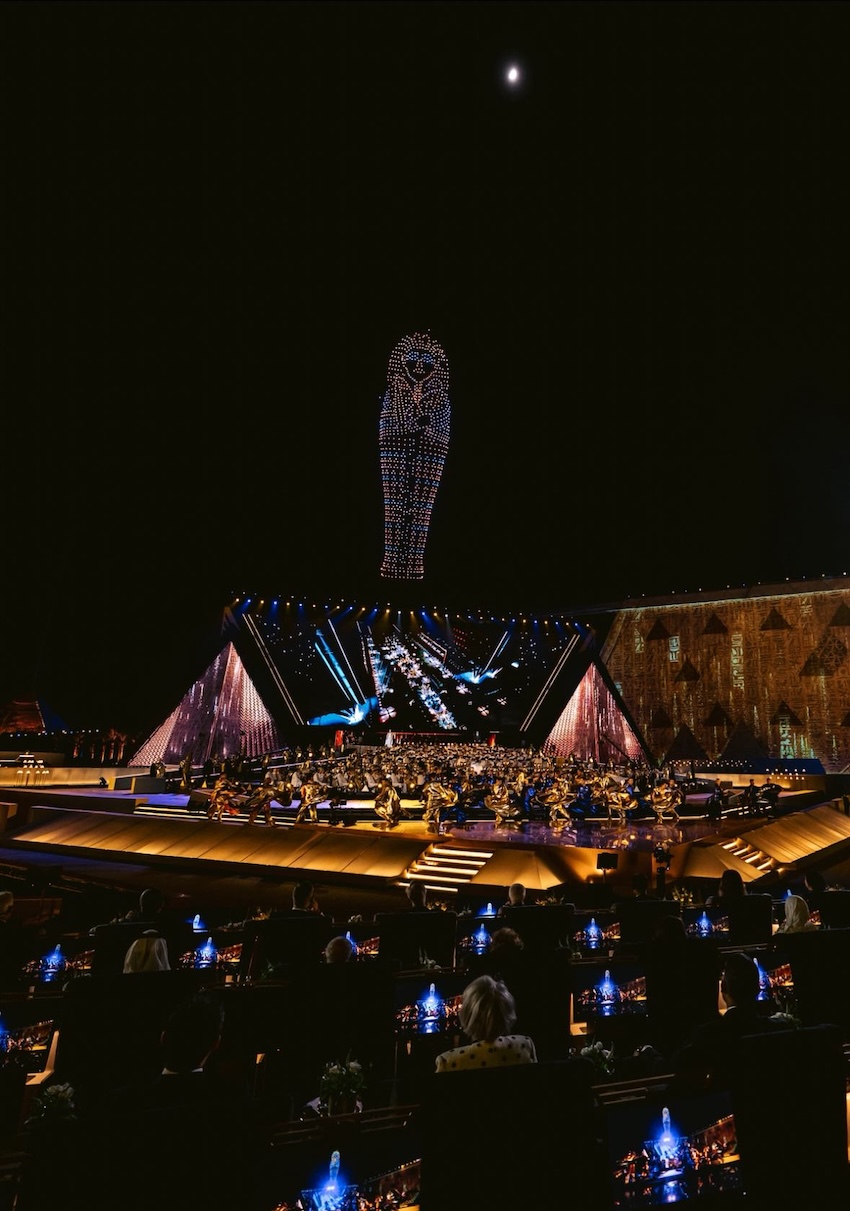
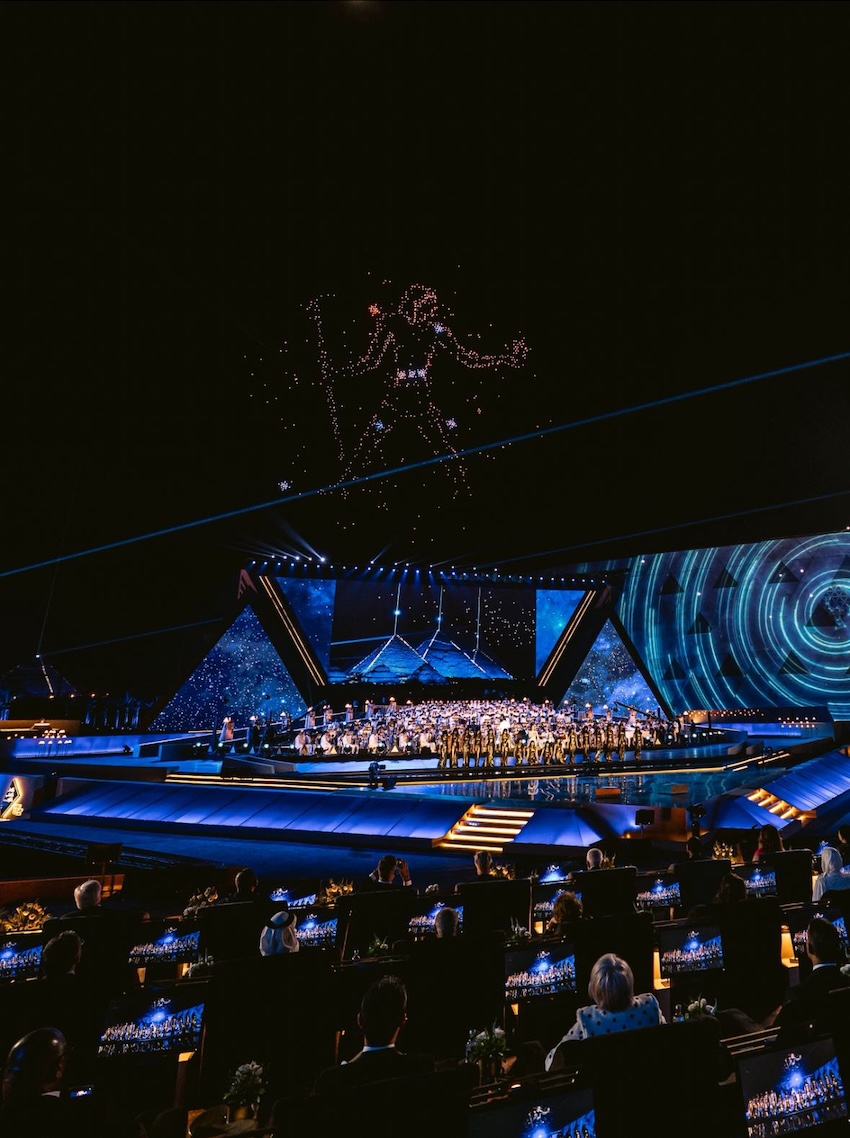
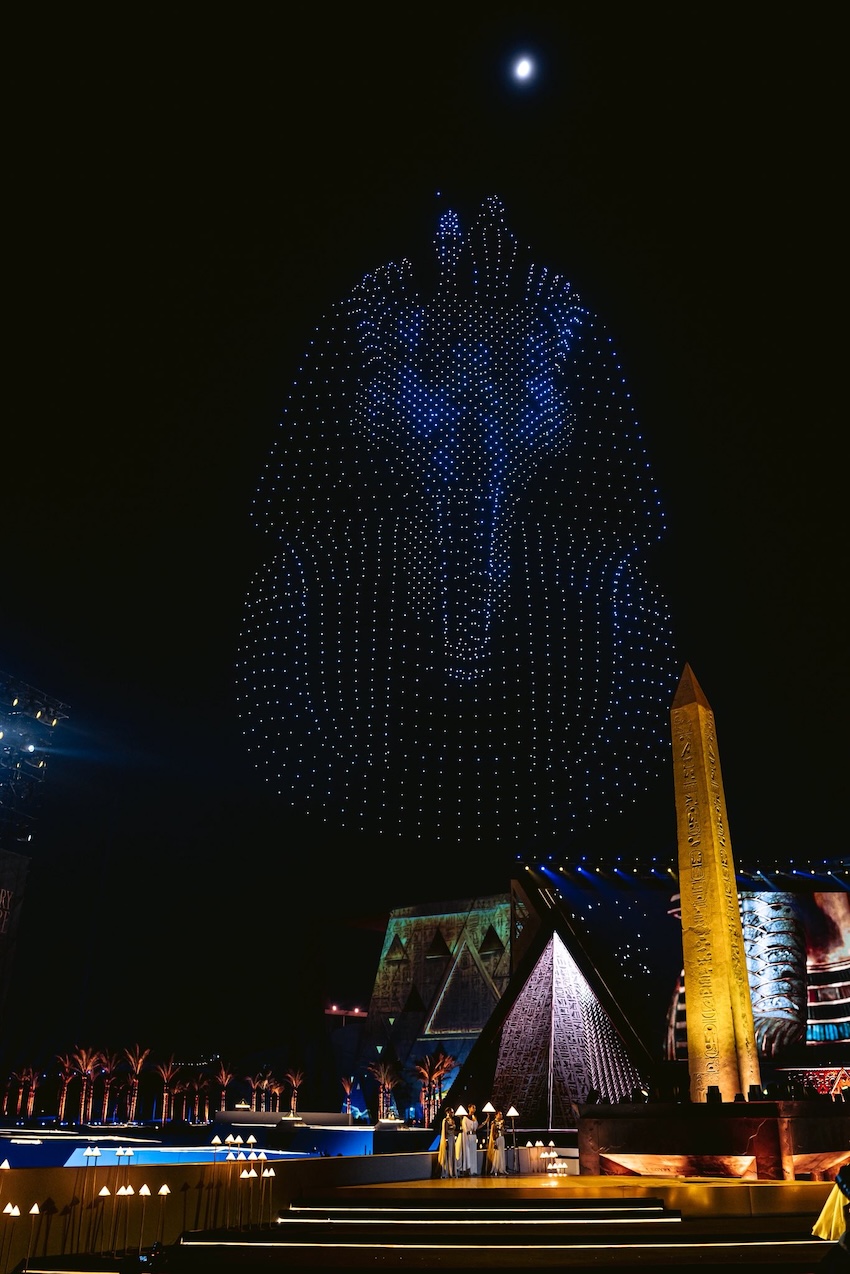
An artistic piece entitled “A Journey of Peace in the Land of Peace” was also presented, highlighting Egyptian creativity in architecture and construction from various periods of history. The show included breathtaking drone displays that traced the shapes of Pharaonic treasures across the sky.


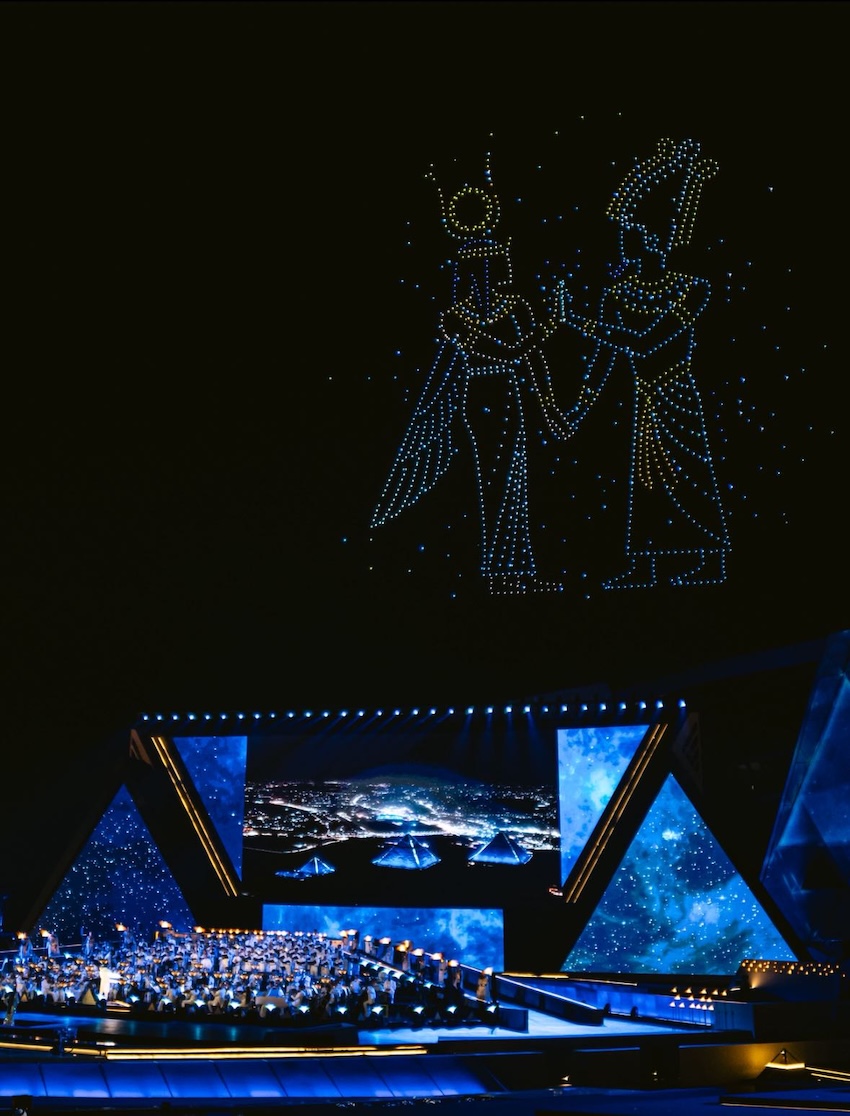
Miniature replicas of the Grand Egyptian Museum, engraved with each country’s name, were placed by world leaders. President Abdel Fattah El-Sisi added the final piece – representing Egypt – and officially inaugurated the museum.

Following the opening, President El-Sisi, accompanied by First Lady Entissar El-Sisi, invited world leaders and dignitaries to explore the iconic artefacts of the new museum.


Festive Reception by the Ambassador of Egypt to Hungary
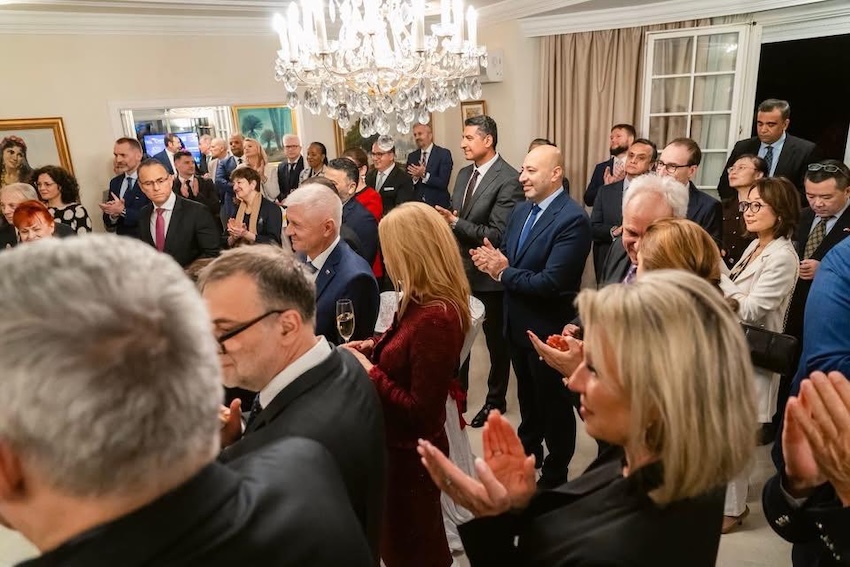
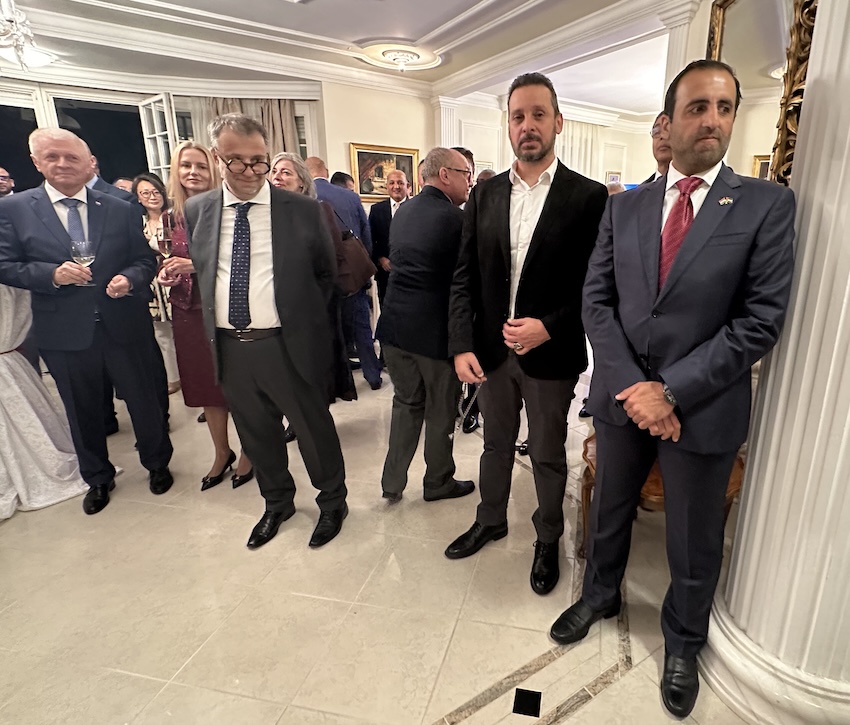
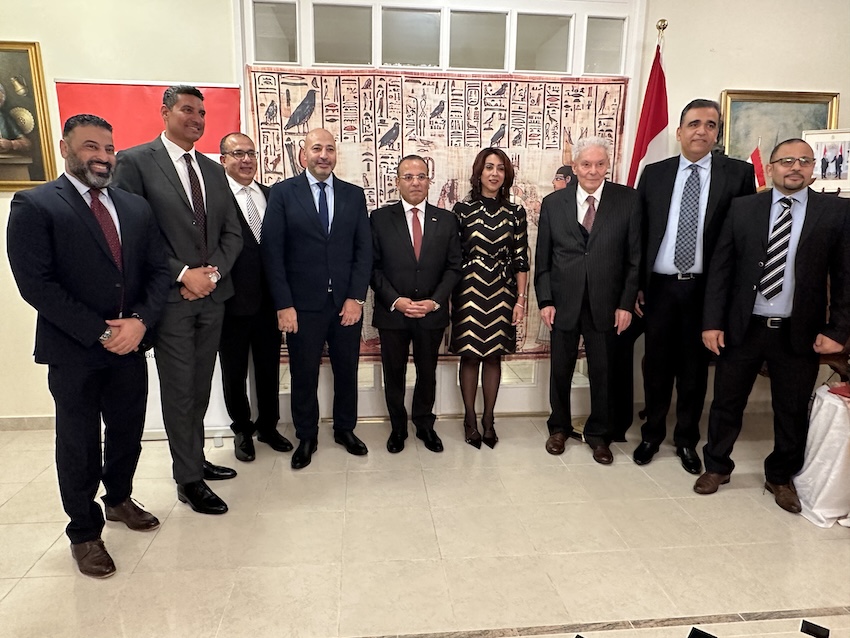
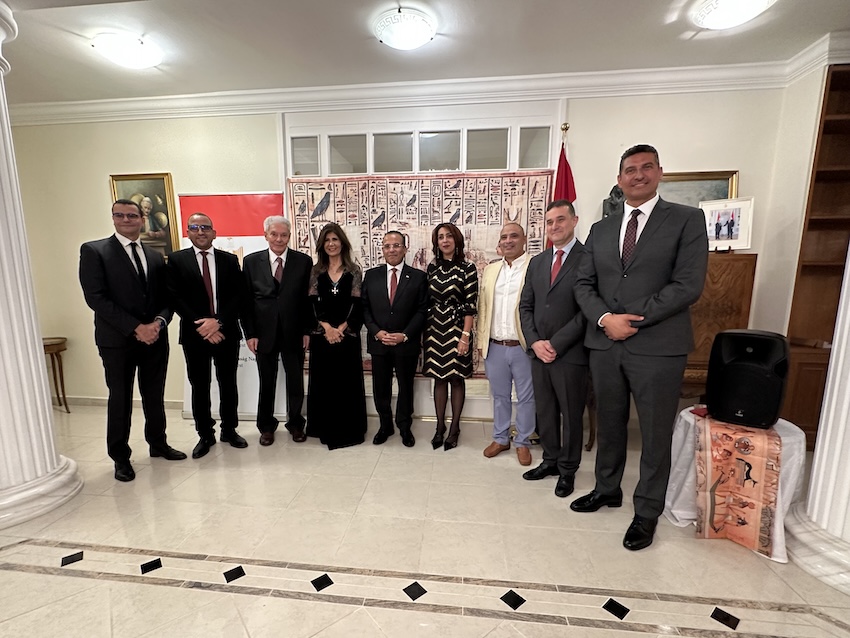
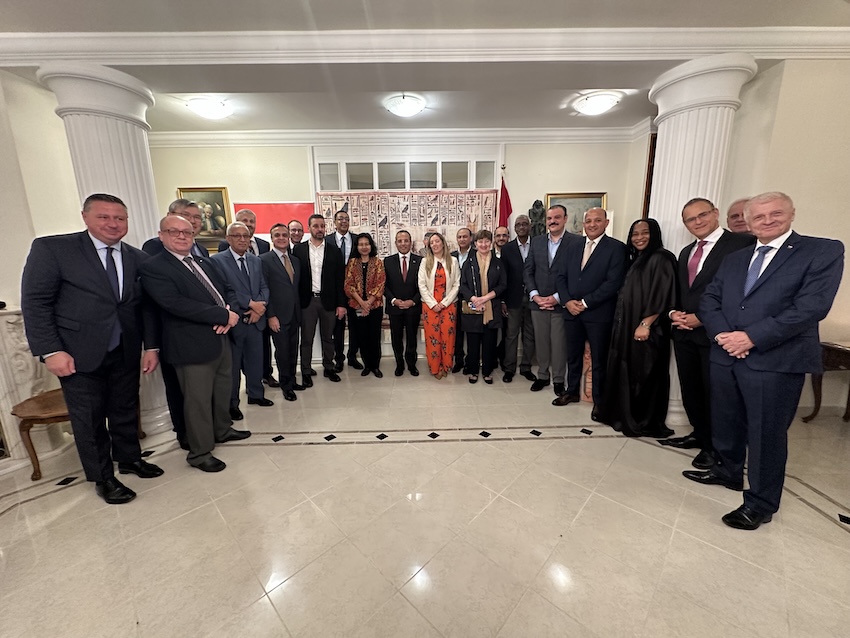
To honour the GEM’s grand opening, His Excellency Ahmed Fahmy, Ambassador of the Arab Republic of Egypt to Hungary and his spouse Mrs. Noran Fahmy, hosted a celebratory reception at Budapest’s Egypt House on 1 November 2025. It was a great privilege and a memorable experience to attend this event.
Distinguished guests, including senior Hungarian officials, foreign ambassadors, diplomats, media representatives, members of the Egyptian community and friends of Egypt, gathered to witness the live broadcast of the inauguration ceremony from Cairo.


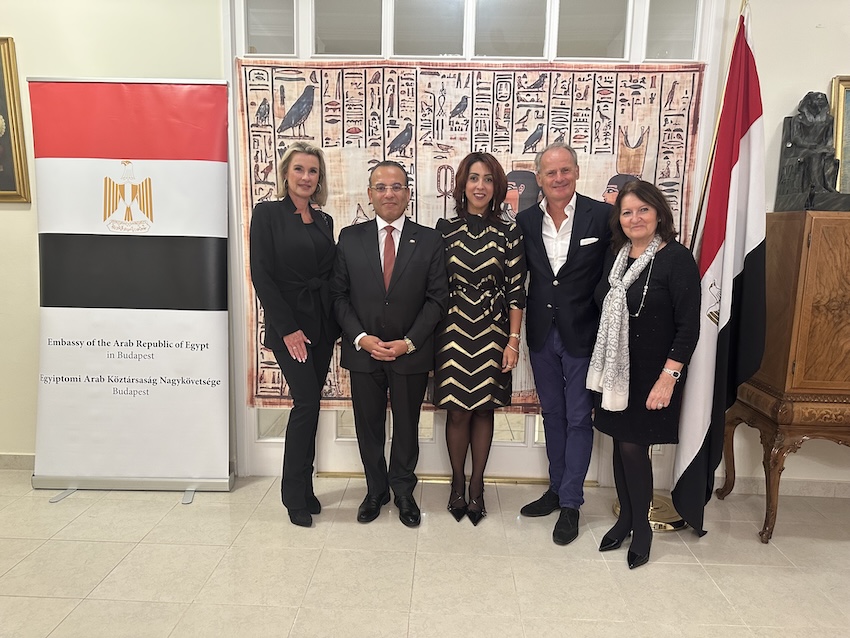


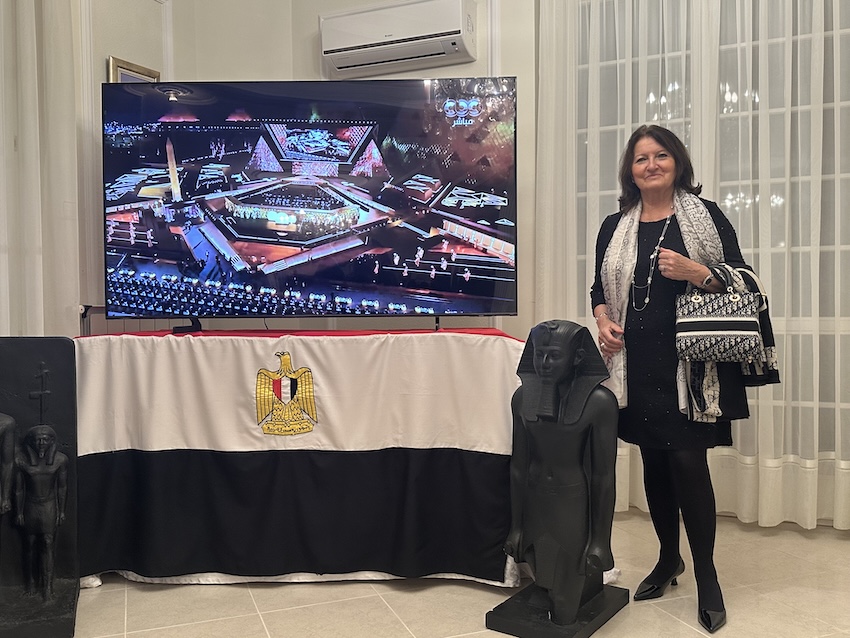


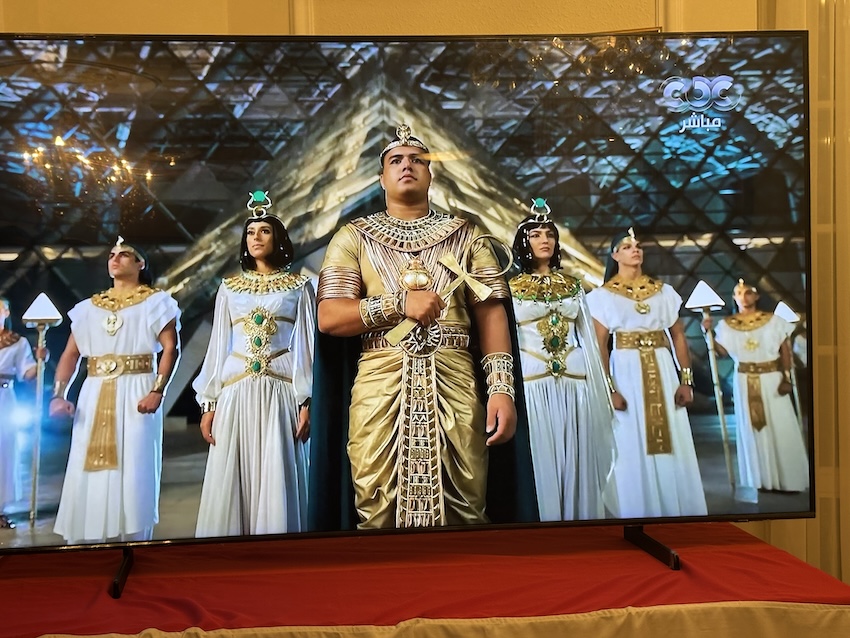
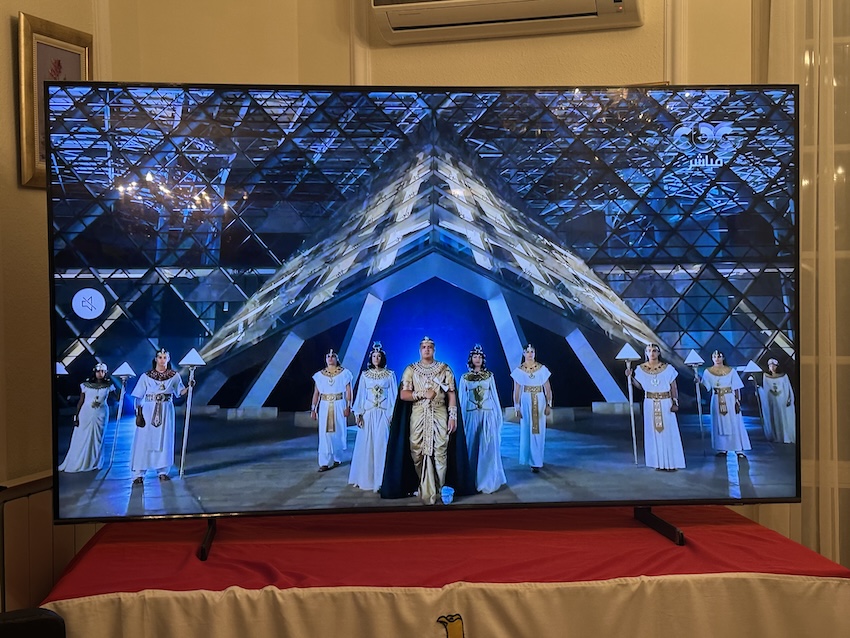

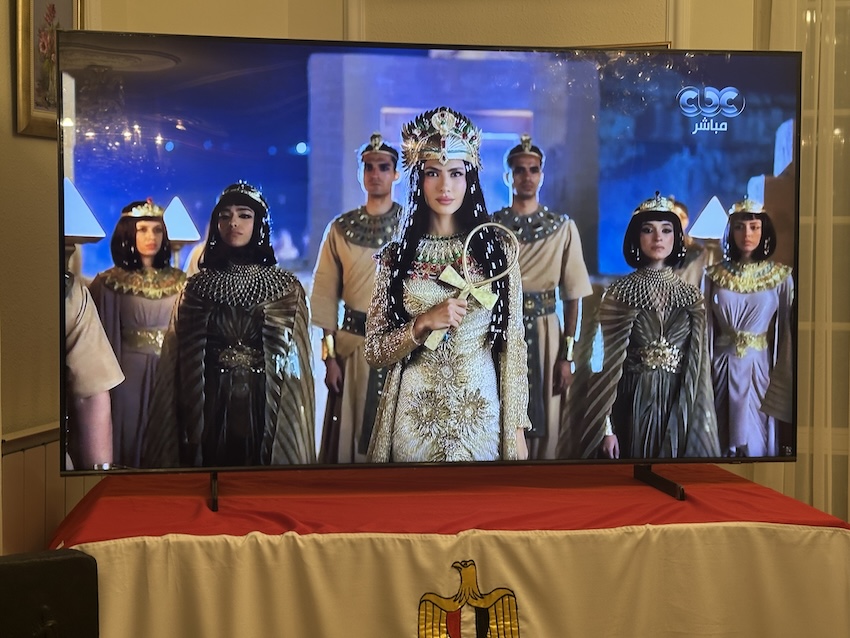
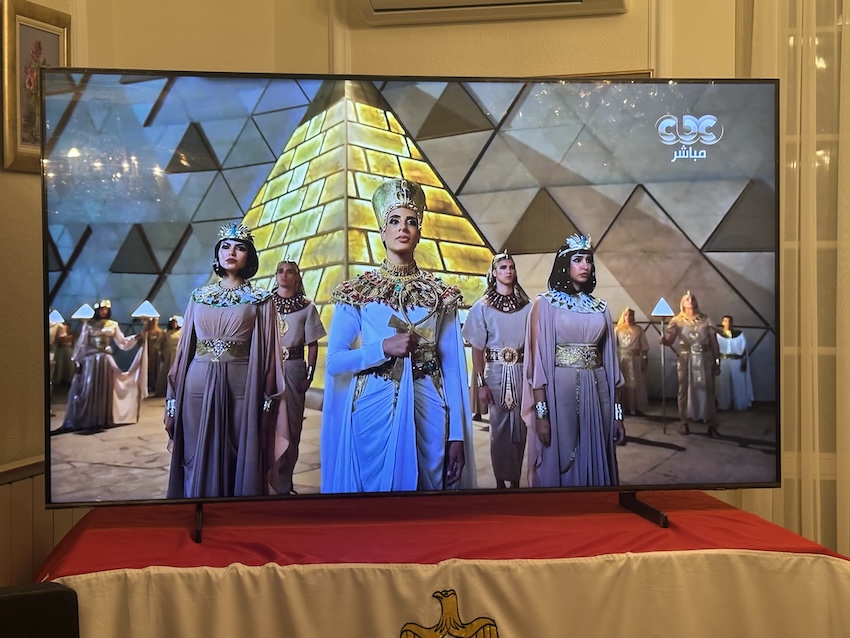


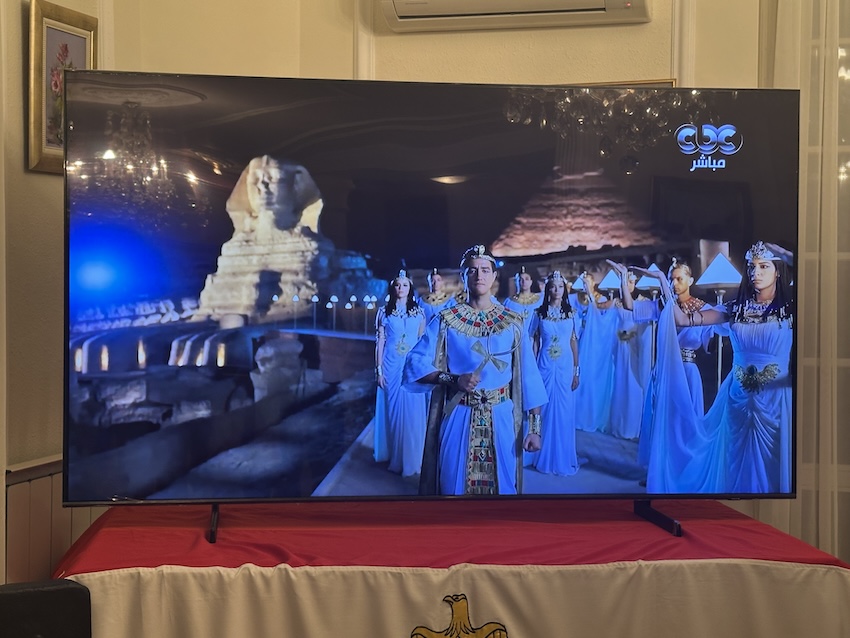
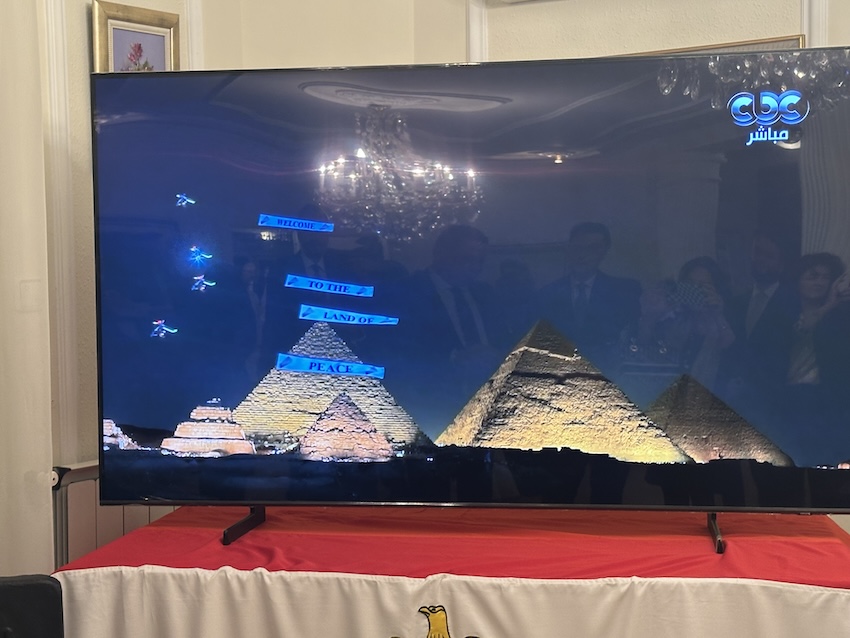
As part of the celebration, the Egyptian Ambassador in Budapest addressed the invitees, conveying the deep emotional and historical significance of the national dream that came true:
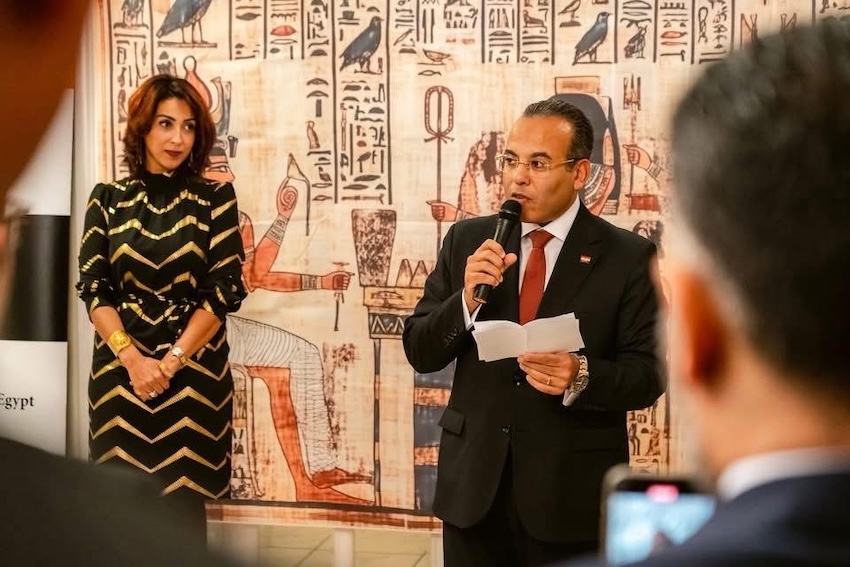
“Excellencies, Dear Friends,
Thank you for being here tonight to share a moment that is truly special for Egypt and for me personally. On the national level, I know how much this museum means to Egypt. It was not just an architectural project – it was a national dream. For Egyptians, building has always been an act of passion and identity.
From the pyramids and the Sphinx to the countless temples and masterpieces of ancient times – and now to the Grand Egyptian Museum – all are chapters of the same story: the story of a nation that has always built to tell the world ‘We were here, and we endure’.
This museum took 23 years from vision to reality. Thousands of Egyptians – engineers, scientists, artists, workers, diplomats, statesmen and stateswomen – poured their hearts into it. It was championed by the Egyptian state and enriched by remarkable international partners who shared both the journey and the dream. And nothing reflects this dream better than its location. The Grand Egyptian Museum rises in the embrace of the Pyramids of Giza – at the very heart of history. The stones of eternity now stand beside the light of modern creation.
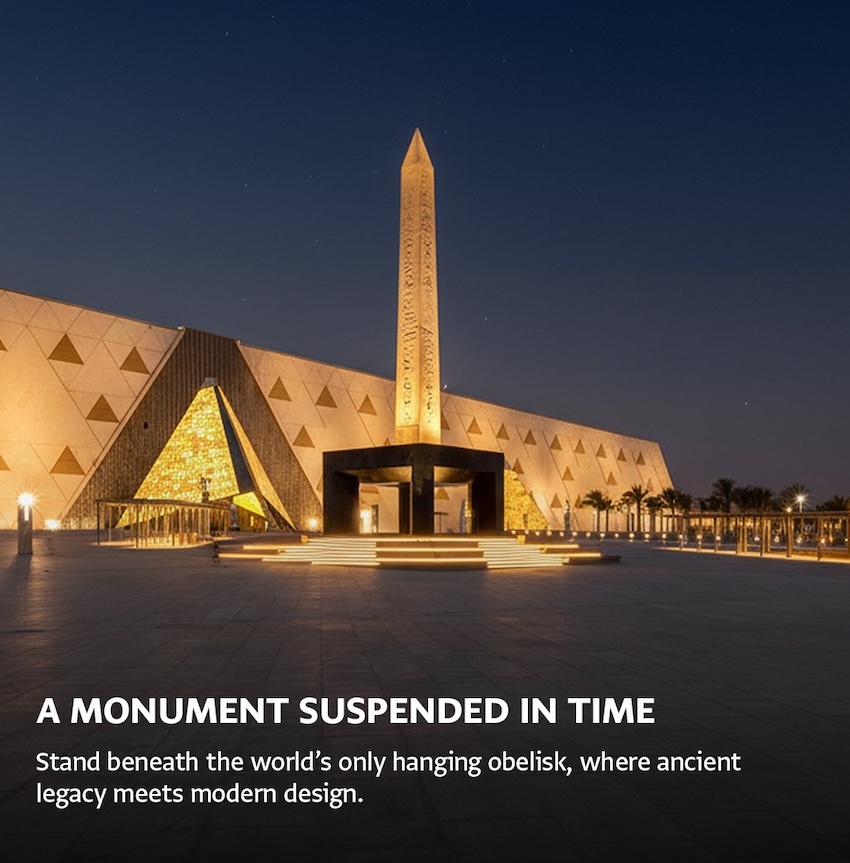

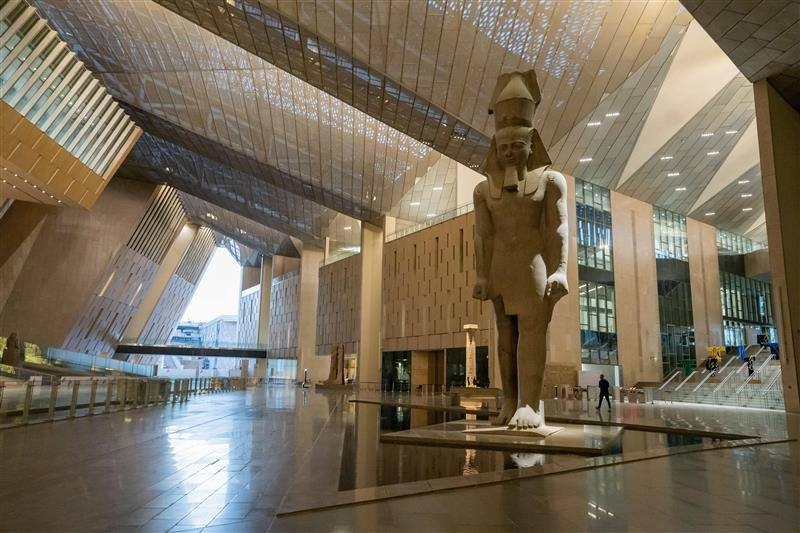
Covering nearly half a million square meters, it houses over 100,000 artefacts, including the complete treasures of King Tutankhamun. It is a masterpiece of architecture and engineering, where stone meets light and desert embraces glass.
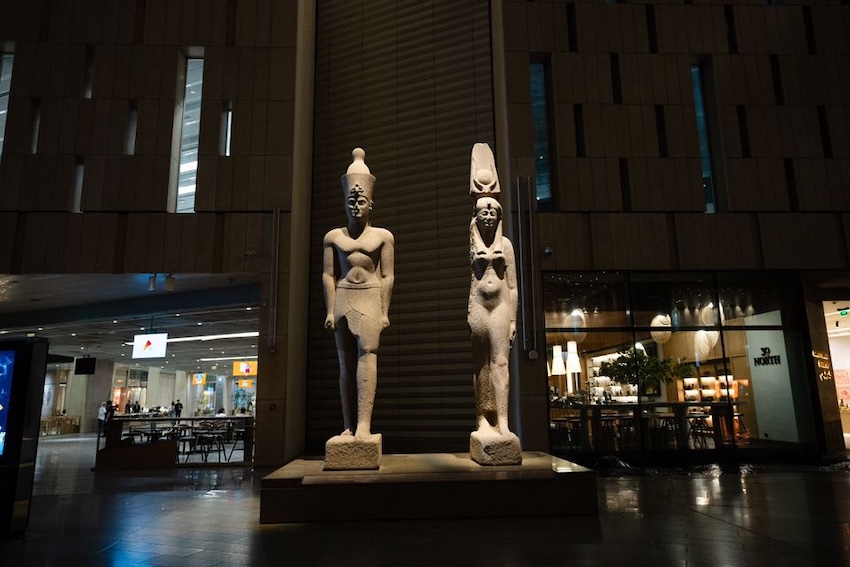
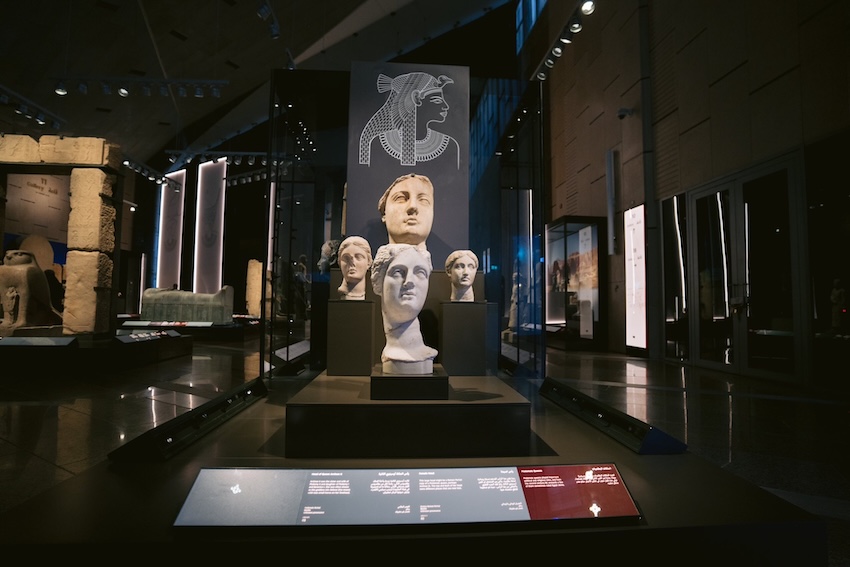
Inside, the museum tells a timeless story – the story of life, memory, and continuity. In its 12 galleries, it reflects Egypt’s ancient belief that existence never ends – that remembrance itself is a form of immortality. And it concludes with a Roman monarch portrayed as an Egyptian king – a ruler who chose to wear the royal symbols of Egypt to win the hearts of its people. A symbol of how civilisations blend, inspire one another, and endure.

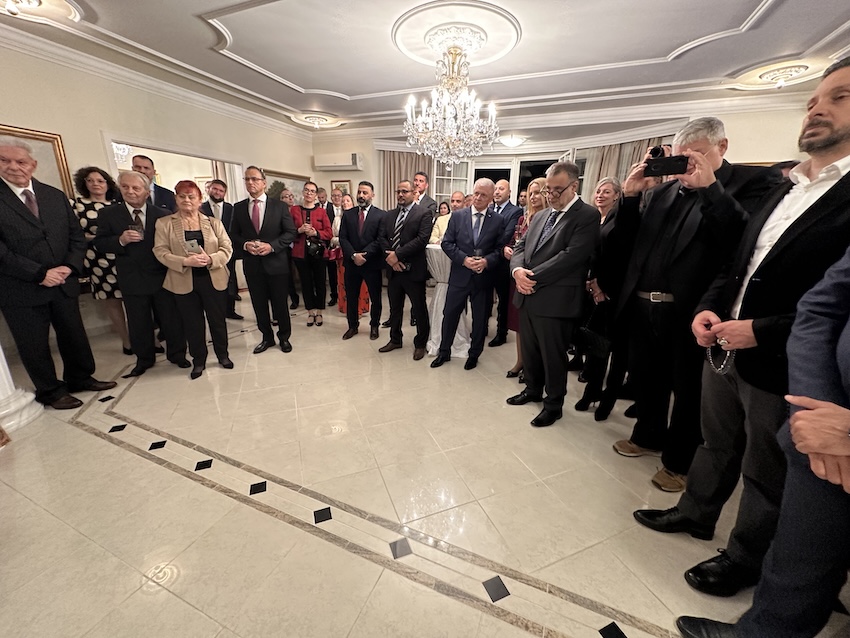
At this very hour in Cairo, President Abdel Fattah El-Sisi welcomes dozens of kings, presidents, and heads of government at the grand opening – including Prime Minister Viktor Orbán and his esteemed spouse. Their presence honours Egypt and reflects the friendship between our two nations – a friendship built on mutual respect for culture and civilisation.

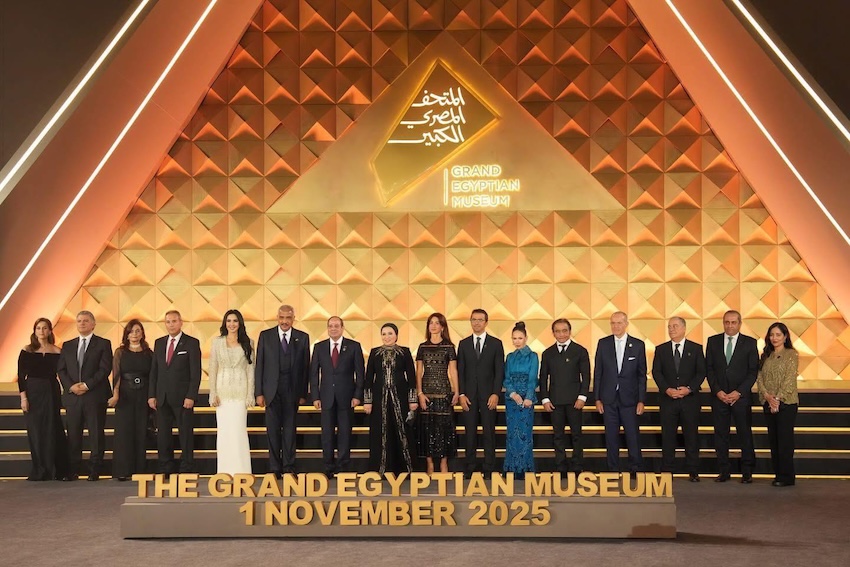
In conclusion, the Grand Egyptian Museum is more than just a building. It is Egypt’s message to the world: civilisations are not separate islands, but waves of one continuous sea – and Egypt is where it all begins. It is a home for memory, beauty, and the enduring human spirit. And Egypt, as it has done for 7,000 years, opens its arms tonight with gratitude, friendship, and hope. Thank you very much.”
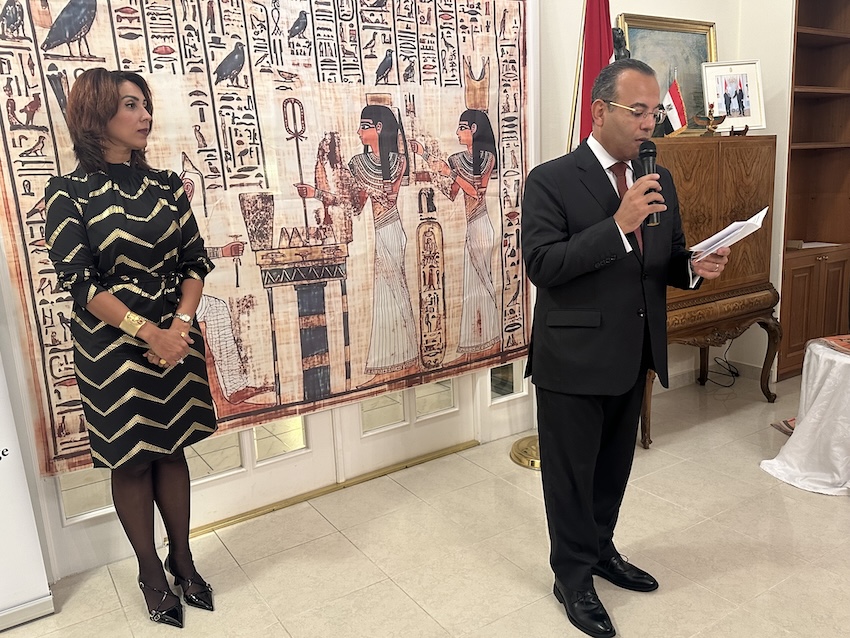
The GEM – the “Fourth Pyramid” of Giza
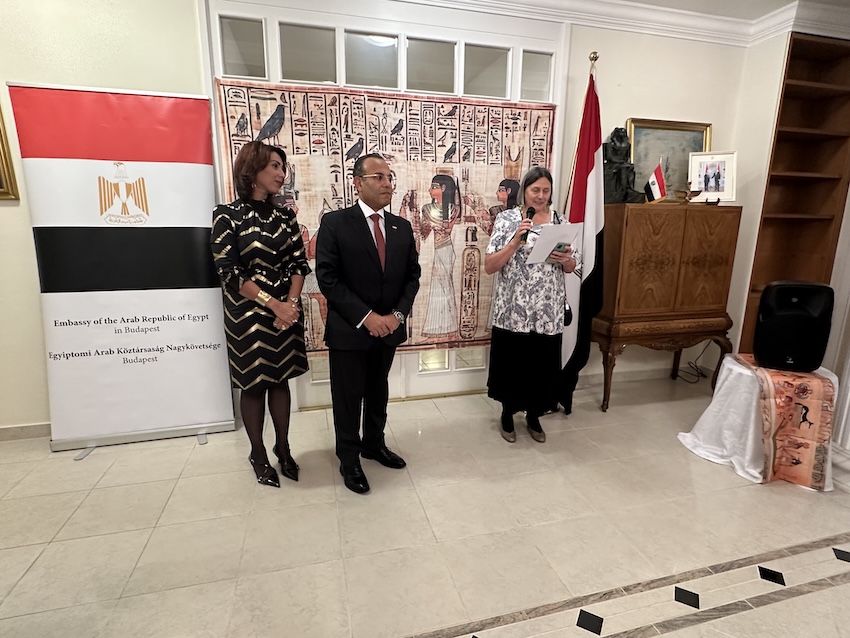
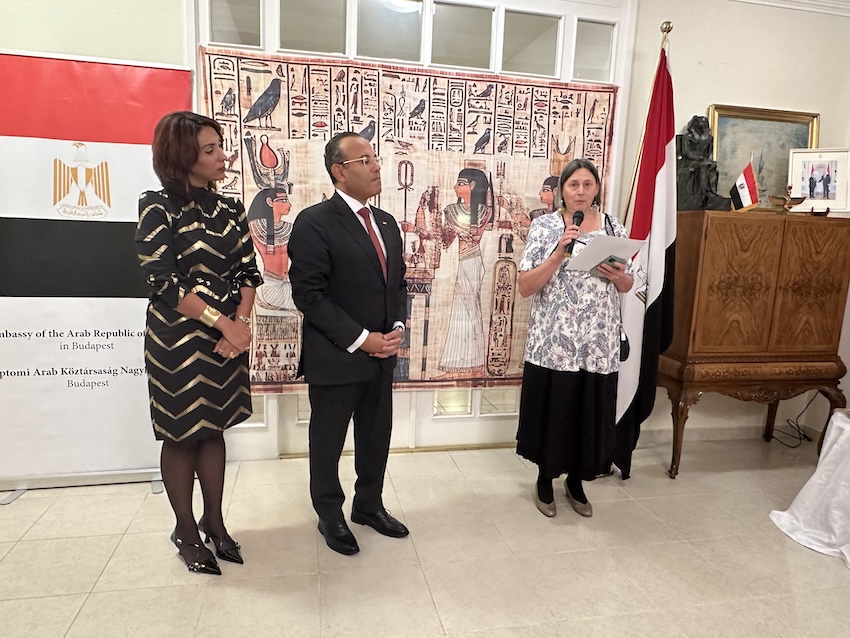
In her speech, Dr. Hedvig Győry, Hungarian Egyptologist and Secretary General of the Hungarian–Egyptian Friendship Society (MEBT), provided key insights into the GEM.
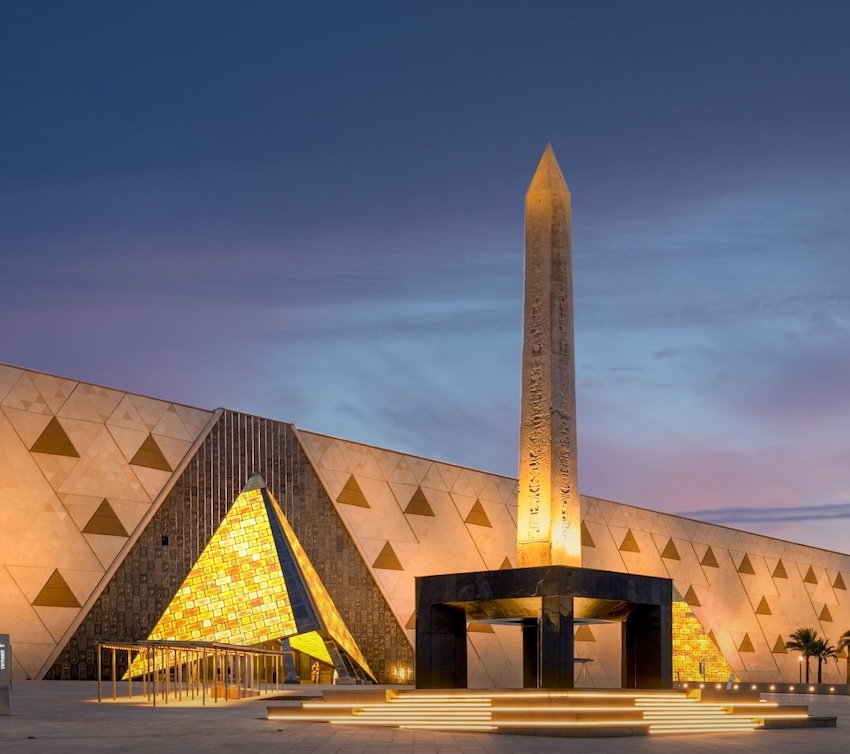
Located just two kilometres from the Giza Plateau, the Grand Egyptian Museum spans an immense 490,000 square metres. Its five-storey glass façade is precisely aligned with the Great Pyramid, creating a powerful visual link between the architectural genius of antiquity and this monumental 21st-century cultural centre. The museum is often referred to as the “Fourth Pyramid”, inspired by its striking conical design and radiant façade.
A cultural citadel proudly standing alongside the Pyramids of Giza, the GEM represents decades of vision, determination, and international cooperation. First conceived in 1992 by President Farouk Hosni, the project saw its foundation stone laid in 2002, and by 2003 the final architectural plans were completed by a consortium of thirteen firms from six countries, led by the Dublin-based Heneghan-Peng studio.
Although environmental, financial, and political challenges delayed progress, the project was revitalised in 2014 under President Sisi. Construction advanced in distinct phases, including terrain preparation, enabling works, the creation of a modern conservation centre, and large-scale building operations carried out by Orascom Construction and the Belgian BESIX Group. Major construction and digital infrastructure works were completed between 2017 and 2023, with the project costing one billion US dollars. Funding consisted primarily of two Japanese loans totalling USD 800 million, complemented by support from the Egyptian government and private donors. Partial opening to the public began in August 2024, culminating in the official inauguration on 1 November 2025, followed by full public access on 4 November.
With its chamfered triangular façade echoing Pharaonic geometry, the GEM is both a tribute to ancient Egyptian architecture and a landmark of the modern world. Today, it represents international cooperation, cultural diplomacy, and Egypt’s ongoing contribution to world heritage.
Economically, the museum is expected to be transformative. Tourism is one of Egypt’s most vital industries, and the GEM is projected to welcome around 15,000 visitors daily – roughly five million annually – creating thousands of jobs, attracting international investment, and generating significant revenue for the archaeological sector.
For Egyptians, the GEM became more than a museum; it symbolised national pride, a realised dream connecting past and present. Its opening revitalised cultural identity and projected Egypt’s significance onto the world stage.
Treasures in a Modern Marvel
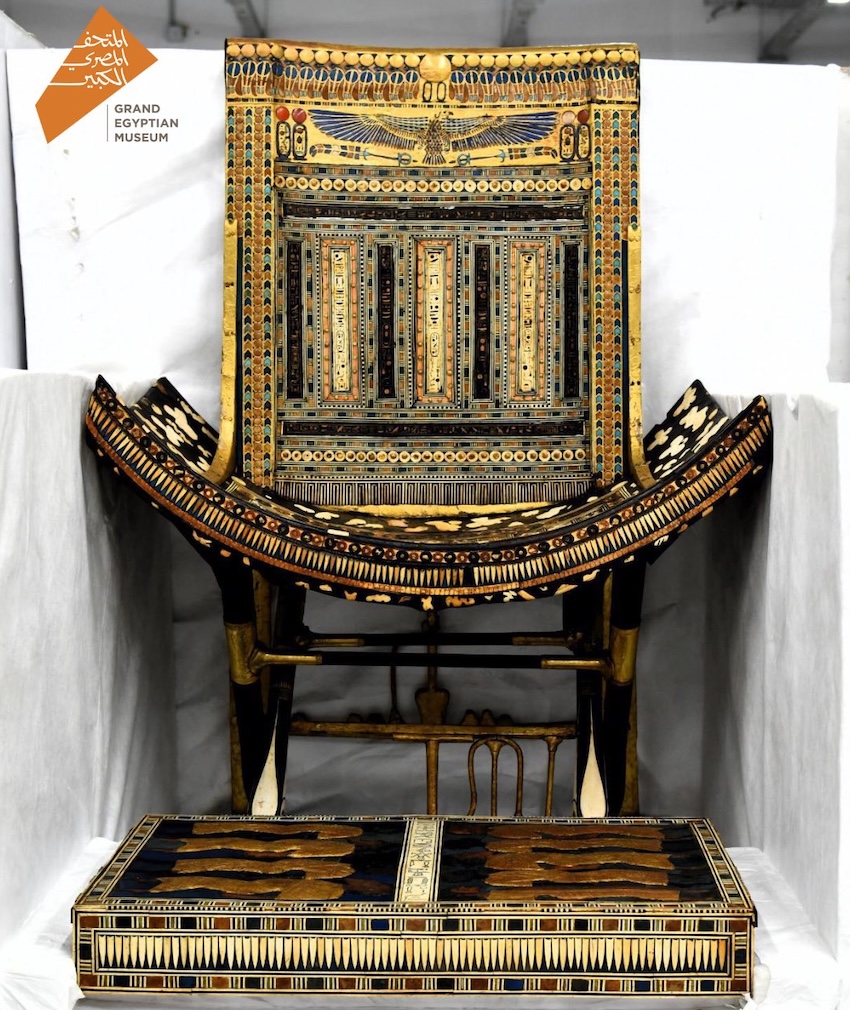
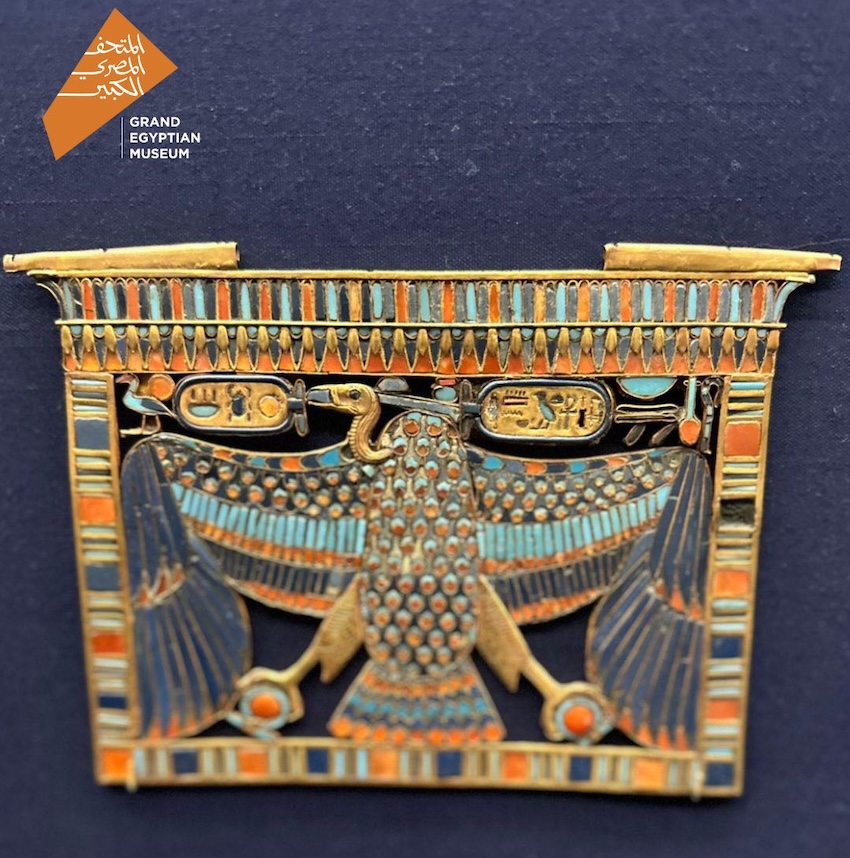
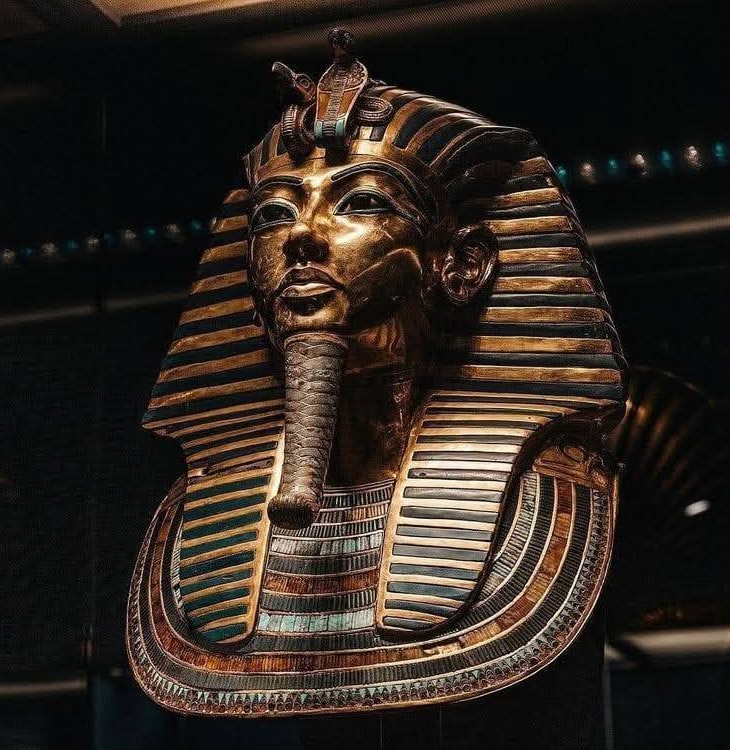
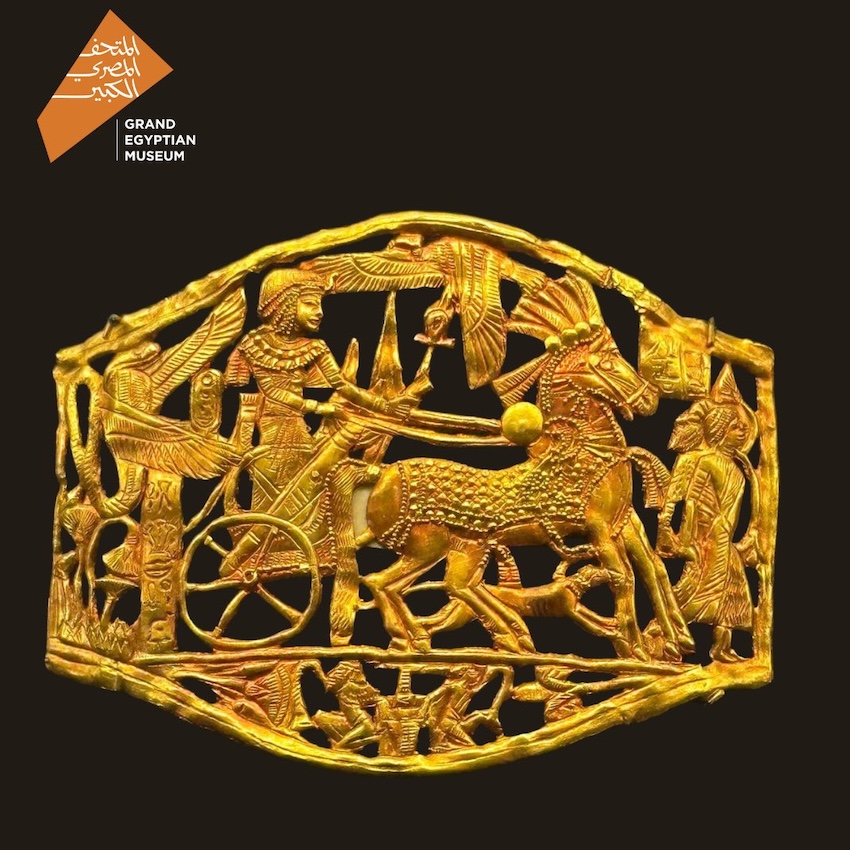
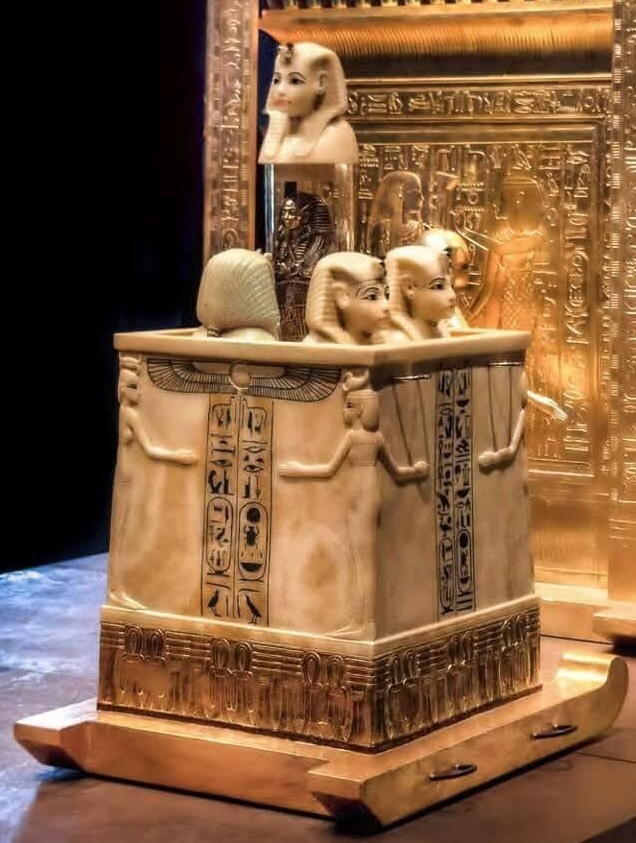
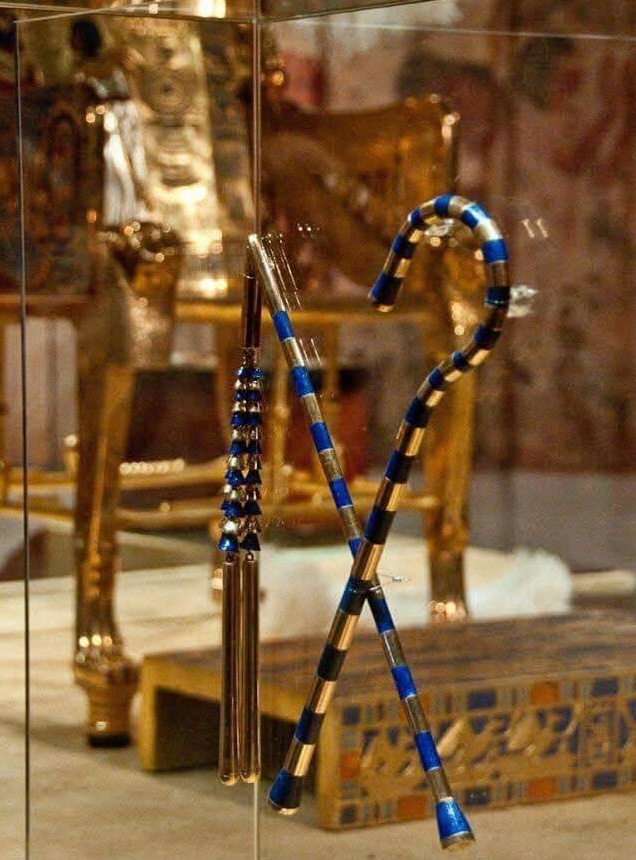
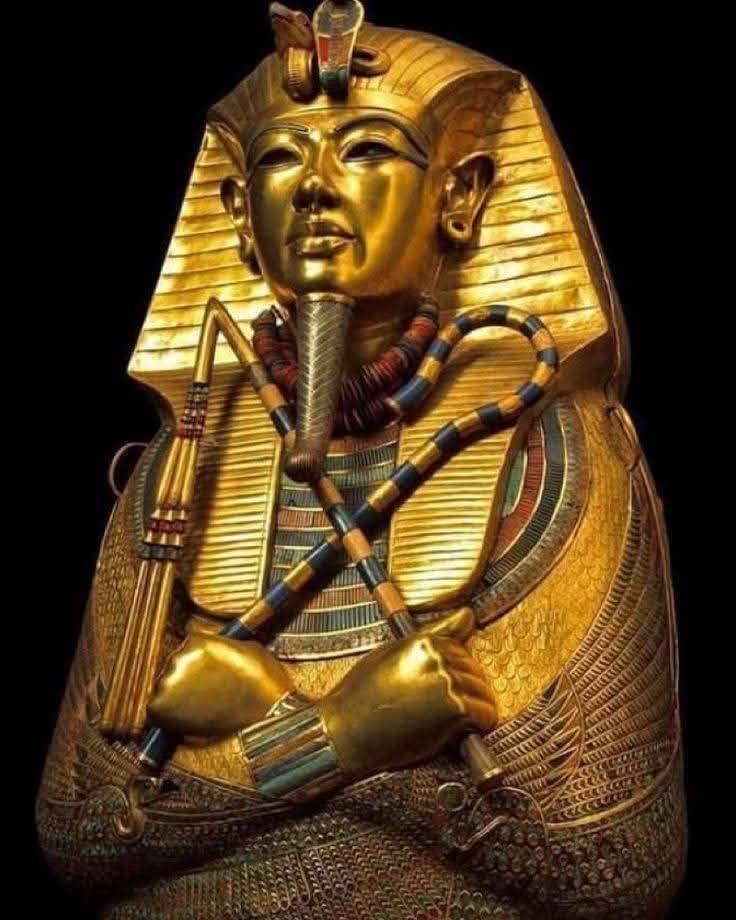
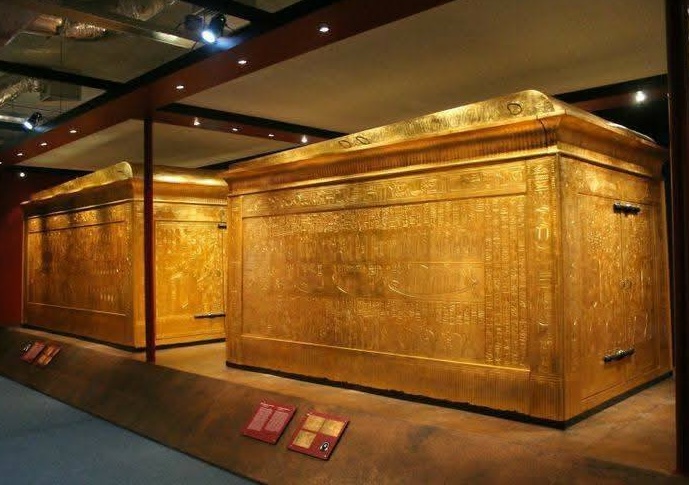
When the Grand Egyptian Museum officially opened its doors, a century-old dream was fulfilled. For the first time, the complete burial treasure of Tutankhamun – over 4,500 invaluable artefacts discovered by British archaeologist Howard Carter on 4 November 1922 – is displayed together in one place. The legendary golden mask, the throne, ornate chariots, and ritual objects can now be viewed side by side, offering an unprecedented glimpse into Egypt’s burial traditions and the life of the young pharaoh. The tomb is the only nearly intact royal tomb ever discovered, making its contents one of the most significant archaeological finds in history.
At the entrance stands the elevated obelisk of Ramesses II, greeting visitors even before they enter the museum.
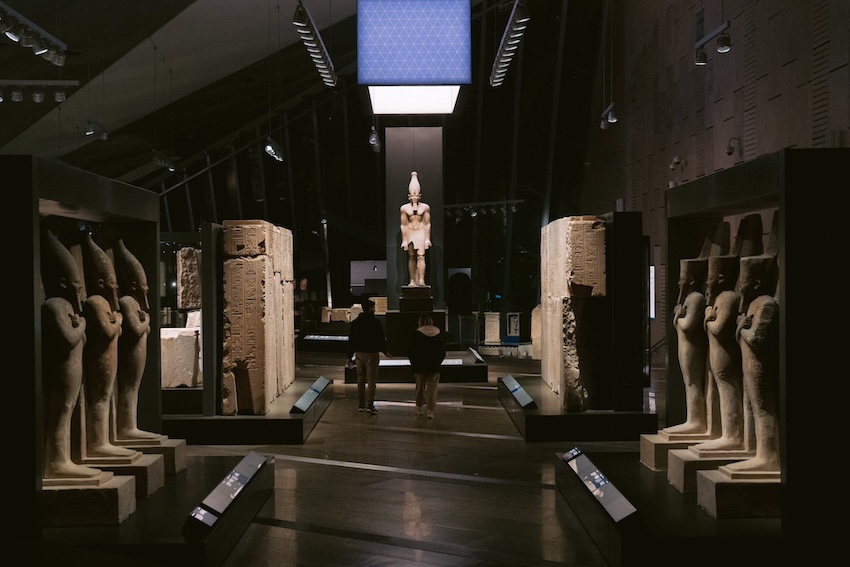
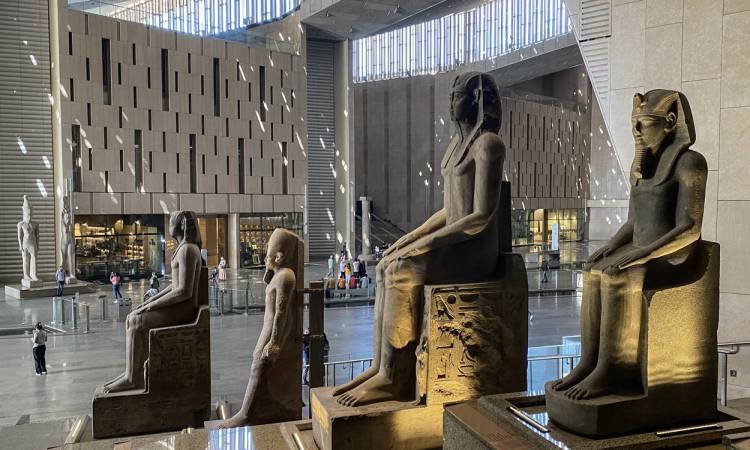
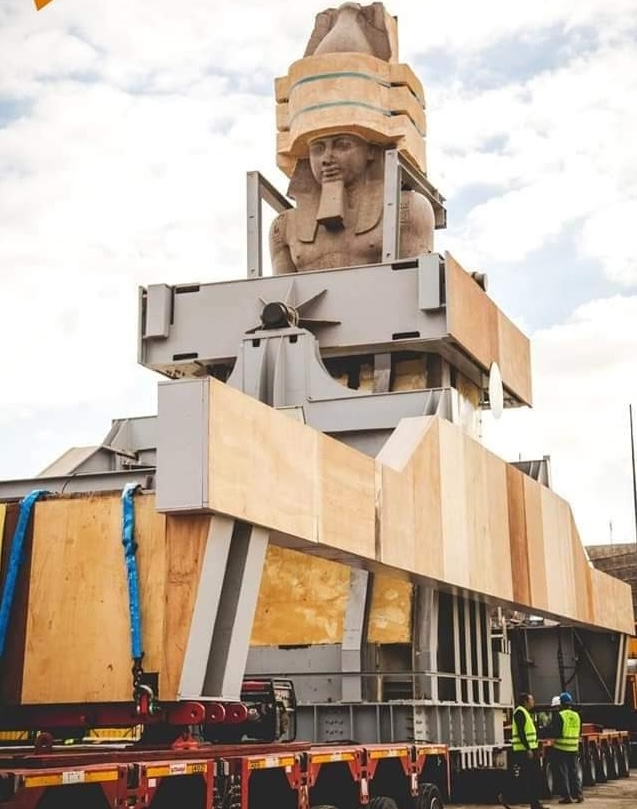
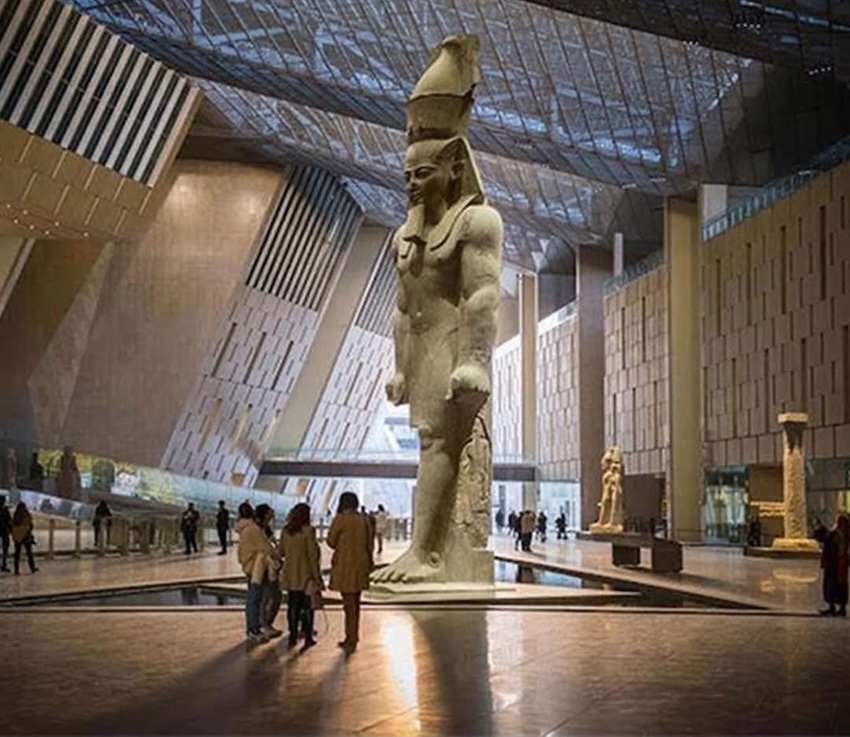
Inside, the Grand Hall showcases the awe-inspiring 11-metre-high, 3,200-year-old colossal statue of Ramses II, relocated from Cairo’s Ramses Station in 2018 and restored after decades of exposure to pollution.
Since 2010, the GEM has operated the largest restoration complex in the Middle East. Its 19 specialised laboratories – dedicated to mummies, wood, stone, metals, murals, textiles, and preventive conservation – ensure the preservation of Egypt’s heritage according to the highest scientific standards. Six vast storage facilities support this work, forming one of the world’s most advanced centres for archaeological research.
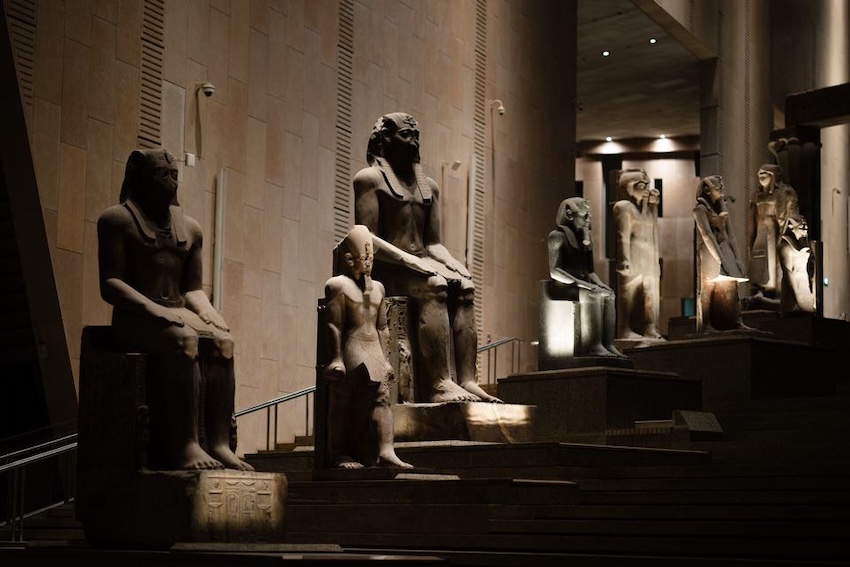
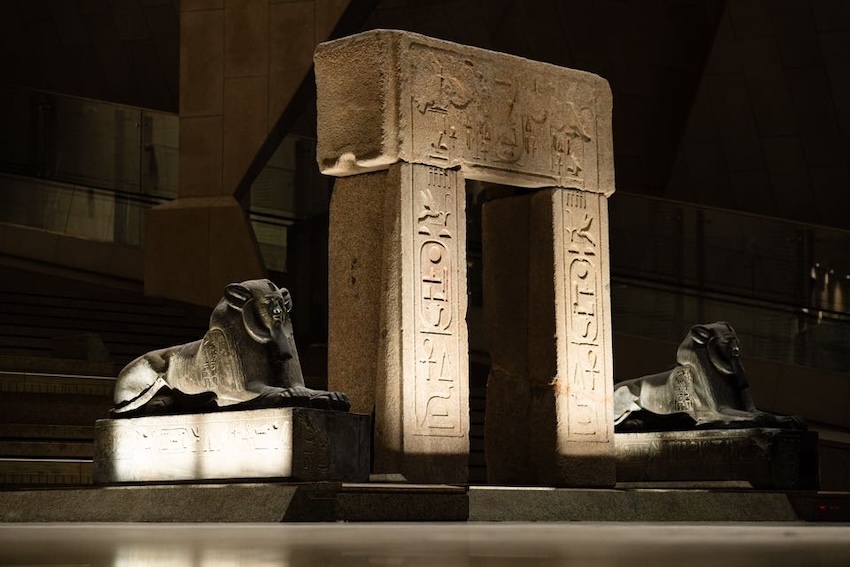
From the Grand Hall, visitors ascend the monumental Grand Stairs, a 6,000 m² ascent rising 50 meters toward the upper terrace. Along the way, 60 masterpieces illustrate the evolution of pharaonic kingship and religion. Among the first exhibits that greet visitors is the enlarged head of Akhenaten, surrounded by a procession of gods, temples, and royal monuments.
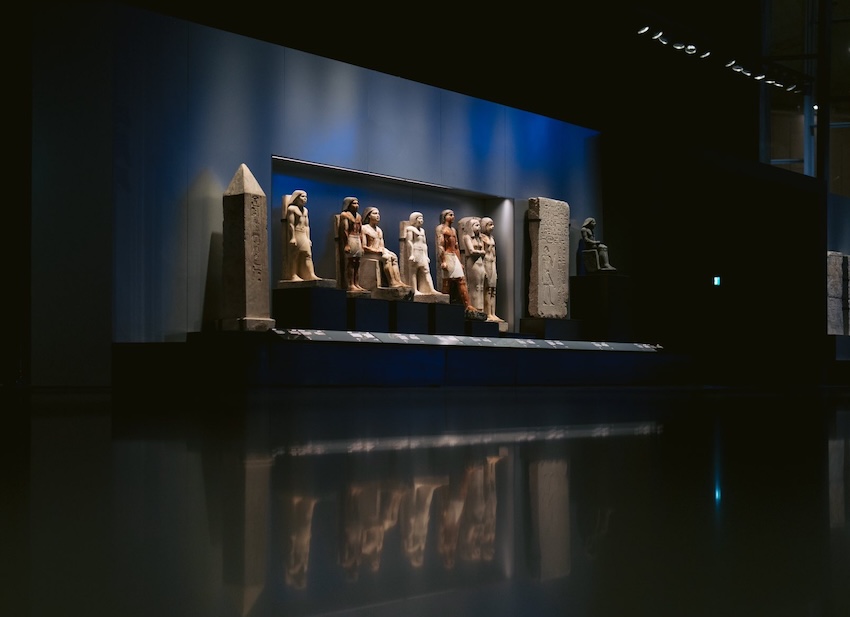
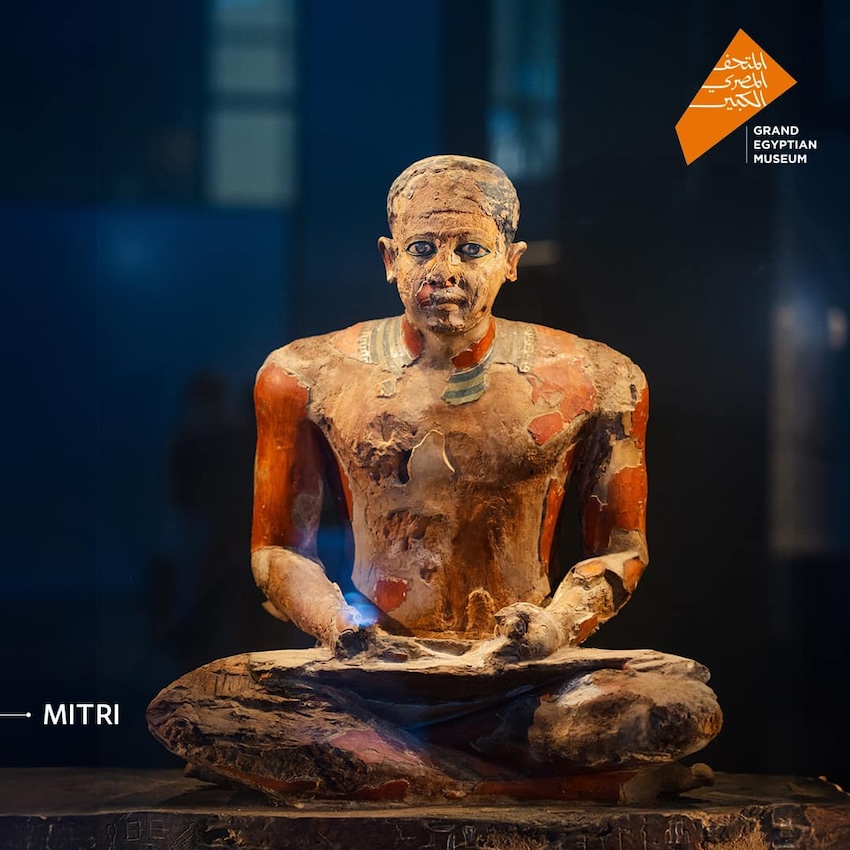
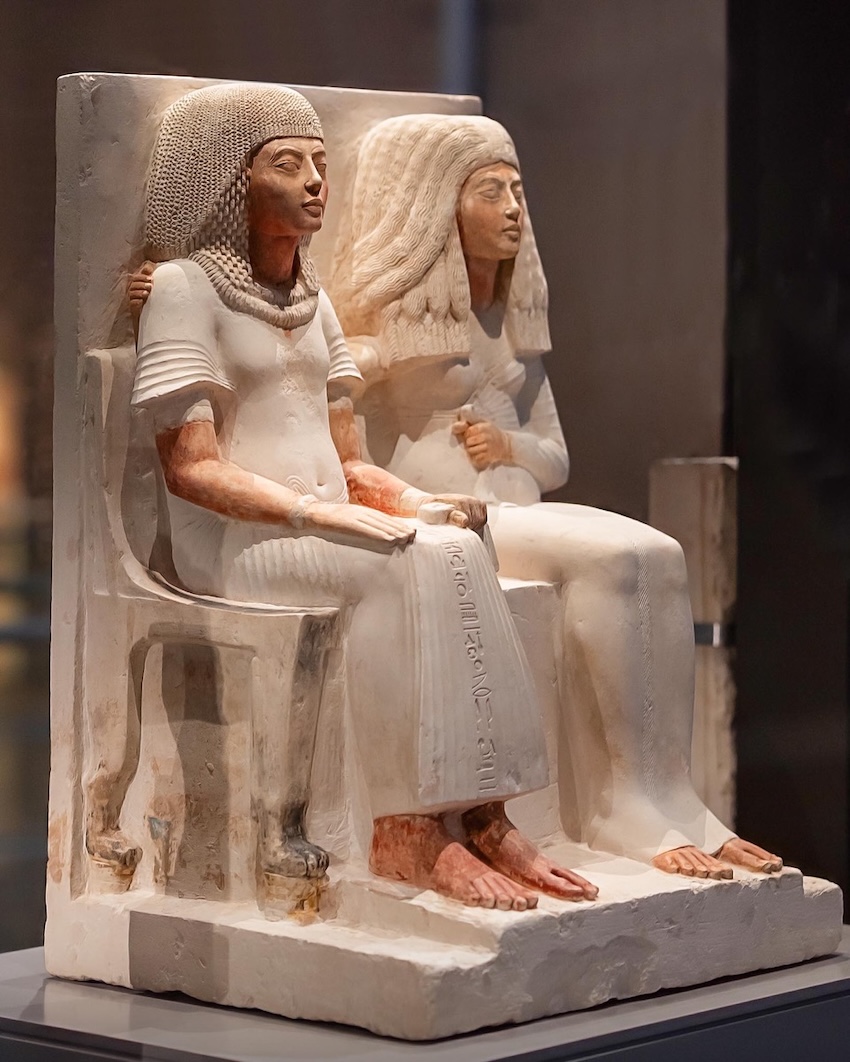
Beyond this are the Main Galleries, 12 exhibition halls organised chronologically spanning from Dynasty 0 to the Roman period, presenting statues, reliefs, jewellery, ritual objects, and tools of daily life. These galleries illuminate not only the rulers and elites of Egypt, but also the artisans and labourers who shaped this civilisation.
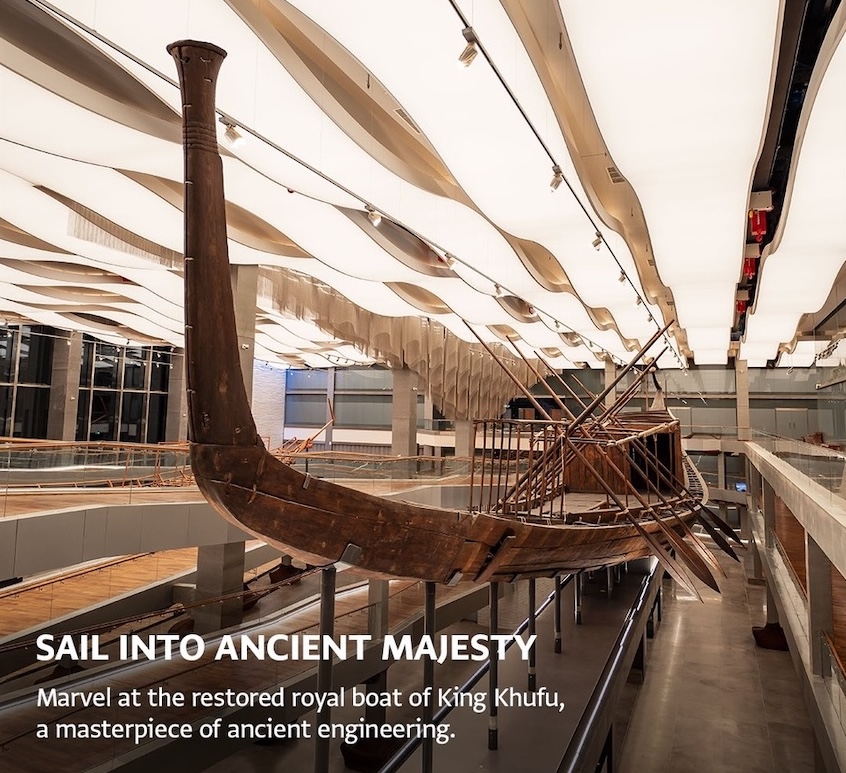
The museum also houses the Khufu’s Boats Museum, where the two ancient solar barges discovered beside the Great Pyramid – and moved to the GEM in 2021 – are displayed in their restored magnificence.
The museum is surrounded by landscaped gardens and innovative cultural facilities, including a 5,000 m² Children’s Museum featuring virtual reality, interactive stations, and educational programmes designed to inspire young generations.
Complementing the museum’s mission are a 40,000 m² conference centre with a 3D theatre and a 32,000 m² temporary exhibition complex, reinforcing the GEM’s status as a world-class venue for international gatherings, research, and cultural diplomacy.
The sheer scale of the Grand Egyptian Museum – its architecture, collections, and scientific infrastructure – makes the GEM a cultural milestone unparalleled anywhere in the world. With its opening, Egypt demonstrates not only its stewardship of one of humanity’s greatest ancient civilizations, but also its role as a vibrant, modern centre of global cultural heritage.
A Legacy for the Ages – A Gift to the World
The inauguration of the Grand Egyptian Museum marked a defining moment in the preservation of world heritage. It united visionary architecture, state-of-the-art conservation, and millennia of history within one monumental institution. The GEM has not merely safeguarded Egypt’s past; it has illuminated a path toward the nation’s cultural future, and invited the world to engage, learn, and be inspired.
The celebrations reflected both the pride of the Egyptian nation and the global admiration for this extraordinary gift to the world, as part of humanity’s timeless story.
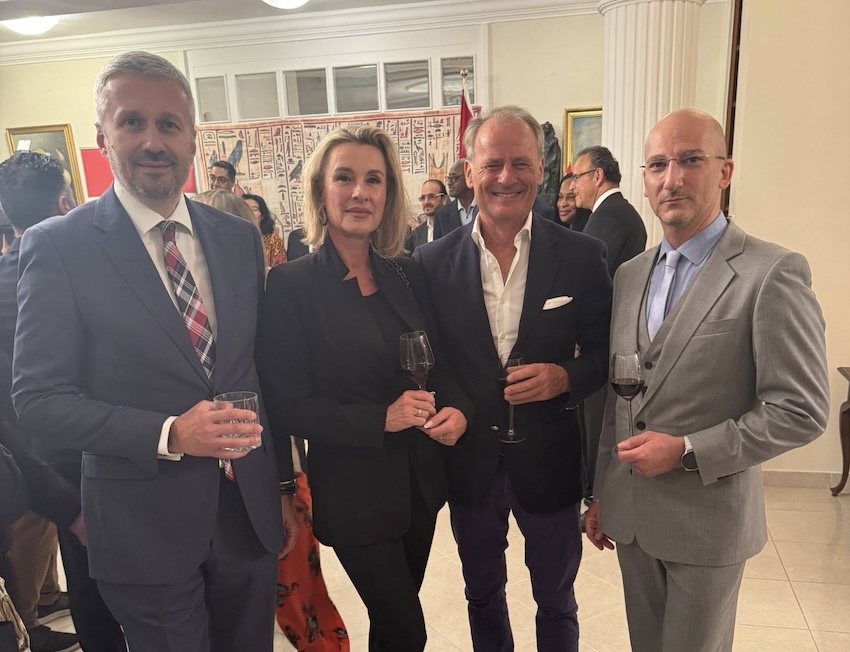
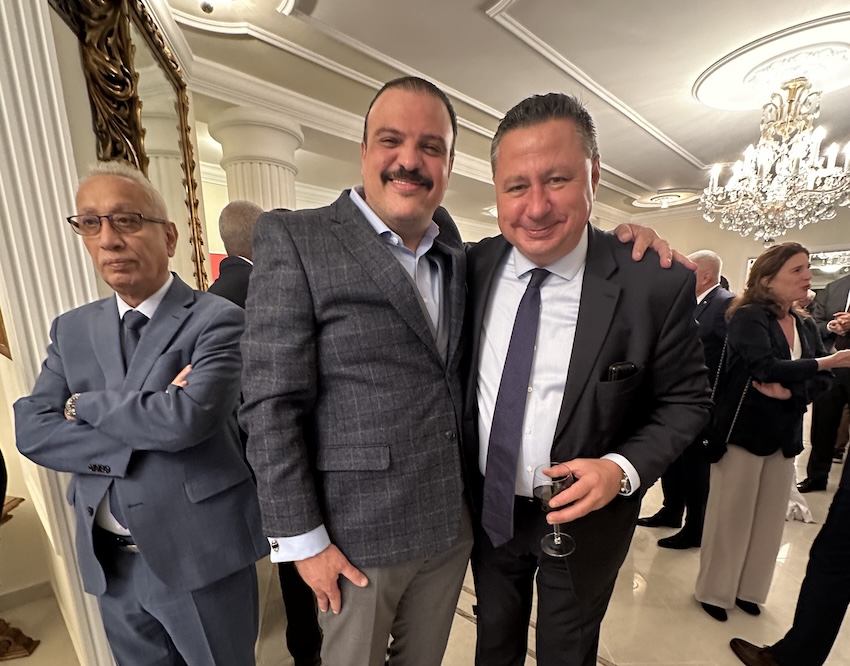
During the reception guests of the festive evening conveyed their warmest congratulations to His Excellency Ambassador Ahmed Fahmy and Mrs. Noran Fahmy on this grand event, which celebrated one of Egypt’s remarkable achievements. Attendees also enjoyed the delicacies of Egyptian cuisine, masterfully presented by the Embassy of Egypt.




Congratulations
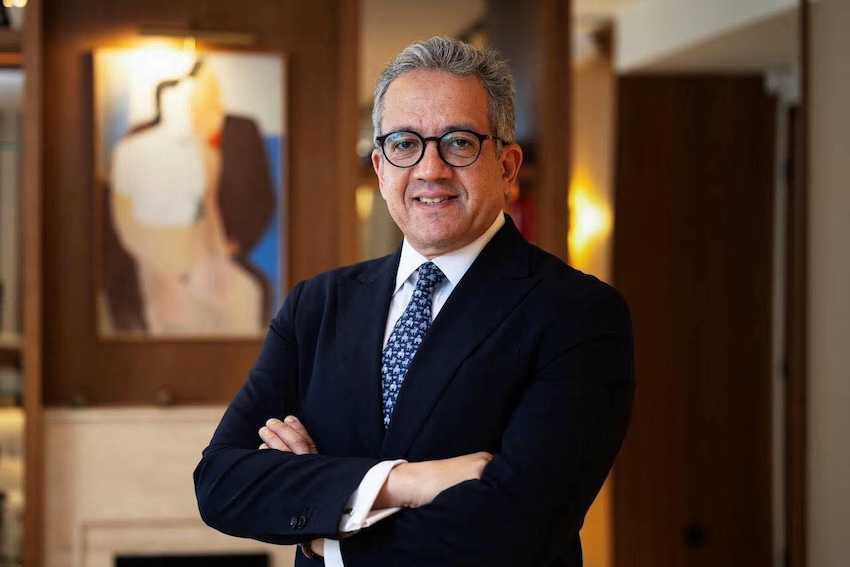
Heartfelt congratulations are extended to Professor Dr. Khaled El-Anany, the former Egyptian Minister of Tourism and Antiquities, on his election as Director-General of UNESCO for the term 2025-2029, during the 43rd session of the UNESCO General Conference on 6 November 2025.
This historic milestone brings great pride to Egypt and the Arab world. His distinguished career and unwavering commitment to cultural heritage continue to inspire international cooperation in the fields of culture, education, and science.
Sources: Embassy of Egypt in Budapest, SIS Egypt
Photos from the GEM Facebook, SIS Egypt, DPA, Unesco.org